
Photo essay by A’niyah Kenner
Text by Maddie Rosenberg
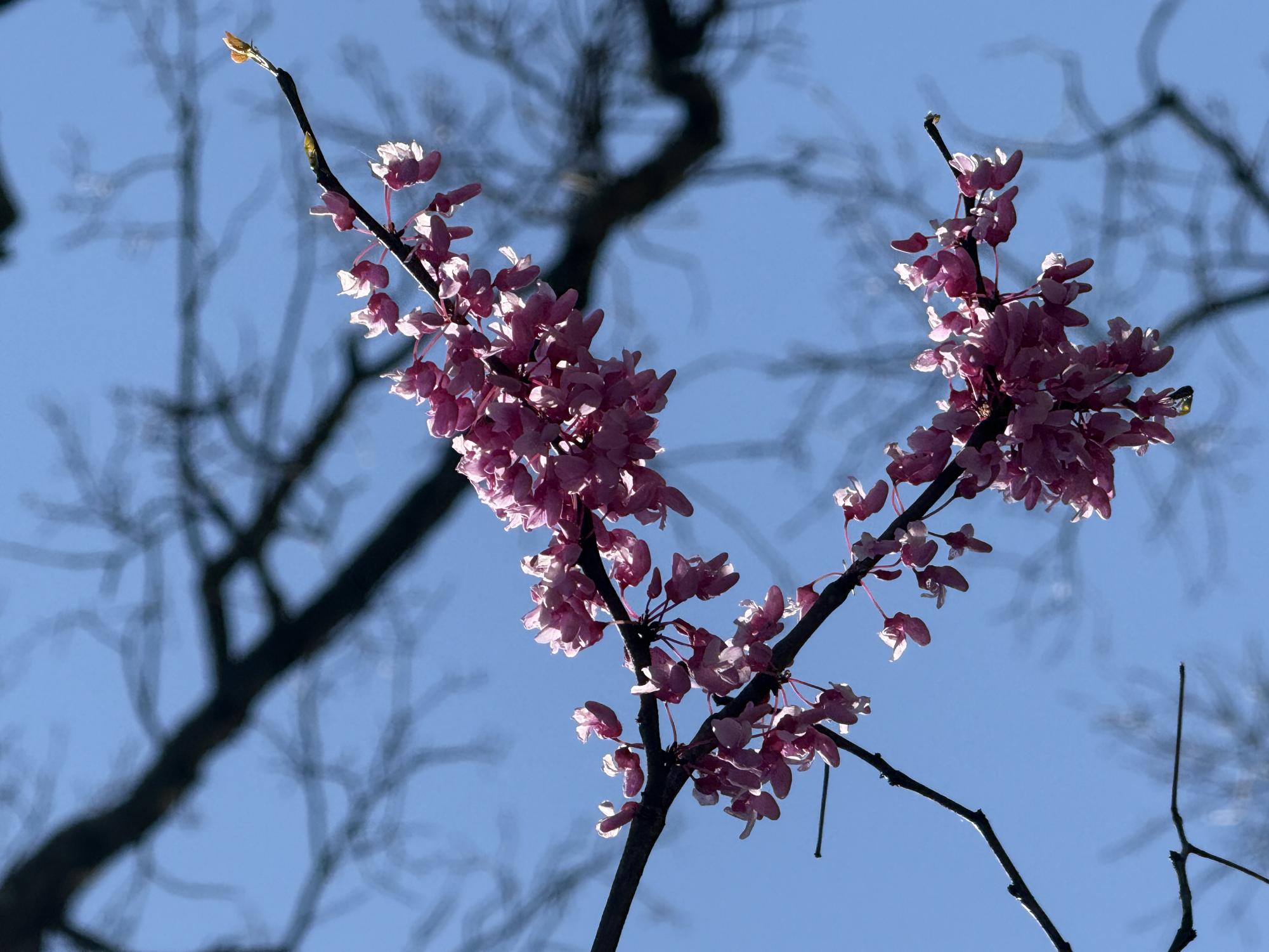
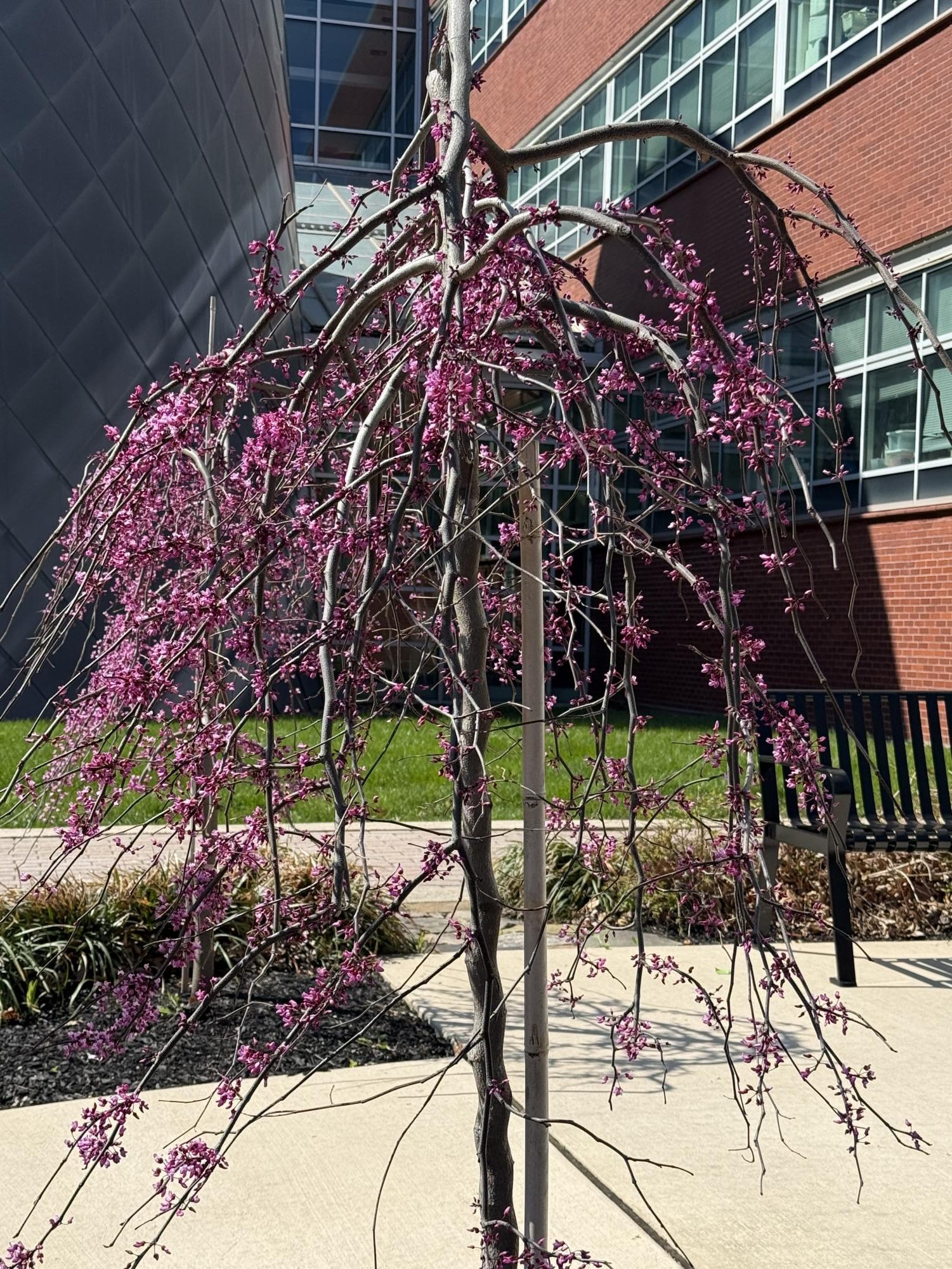
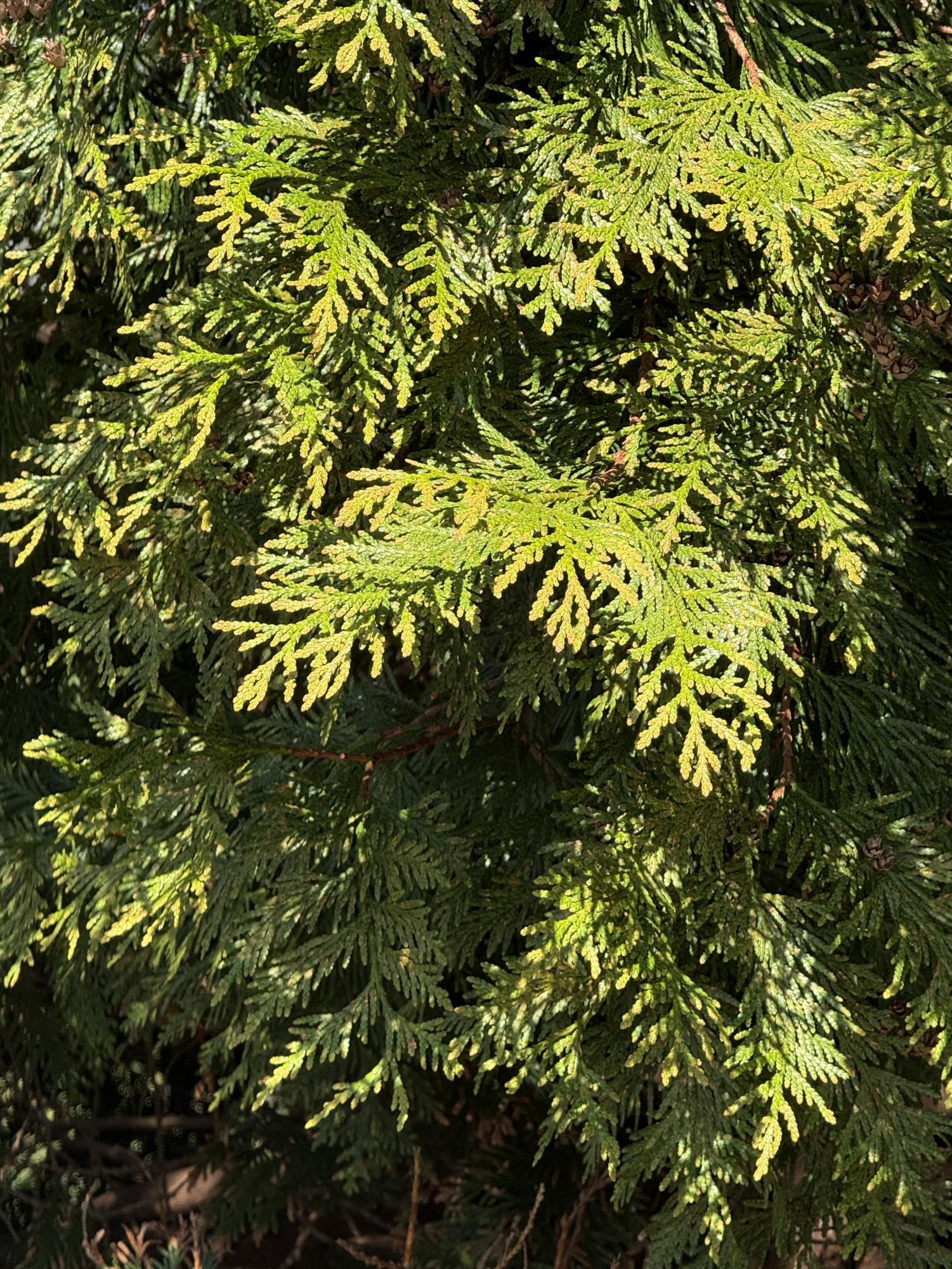
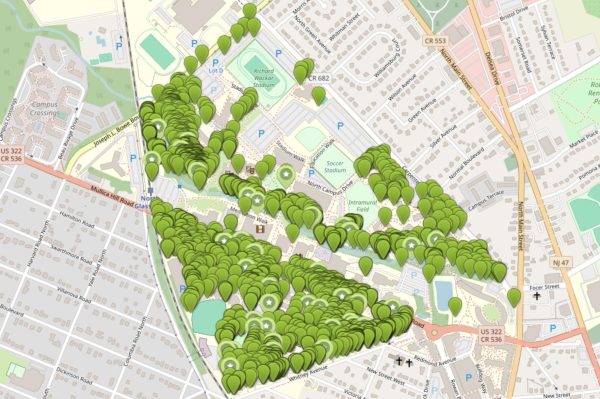
The Rowan University Arboretum and Gardens on the Glassboro campus is home to 2,000 trees, including 100 different identified species, and a few that predate the United States.
The Arboretum staff work to identify, plant and manage the trees around campus. They assist professors who use the campus as an outdoor classroom, encouraging students to explore their environment and learn about the connections between themselves and nature. The Arboretum also emphasizes native plants and helps create a properly functioning local ecosystem on campus.
To help the public explore the area, the Arboretum hosts regular walking tours, mostly on Fridays, starting at the Rowan University Science Hall Atrium and ending at the Business Hall. The tours last about an hour and provide visitors with a wealth of information that inspires curiosity.
Arboretum Director Dr. Sara Wright leads many tours of the Arboretum and takes students and staff to various locations on campus, highlighting areas with particular interest, history, or benefit to the flora and fauna of the area.
For example, in the spring, visitors can see trees with white buds and thin trunks and branches called Serviceberry trees, sometimes called Juneberries or Shadbush, which are native to New Jersey.
Serviceberry trees were used by Native Americans to gauge when they could begin fishing for American Shad, or Shadfish, after the winter ended and the ice on the water melted. The sight of the blooming trees was used as a seasonal fishing cue. Later, settlers used the trees to know when the ground had softened up enough after cold winters so that they could bury their dead and have funeral services. The flowers of the Serviceberry produce pollen that helps bees, and the berries are a good food source for birds.
Wright said the tree is also perfect for yard landscaping in the South Jersey area.
“Serviceberries put their flowers out before it leaves, and the flowers are nice and white,” said Wright. “If you want something like that on your property, I encourage you to plant this. I planted one a few years ago, it’s doing great.”
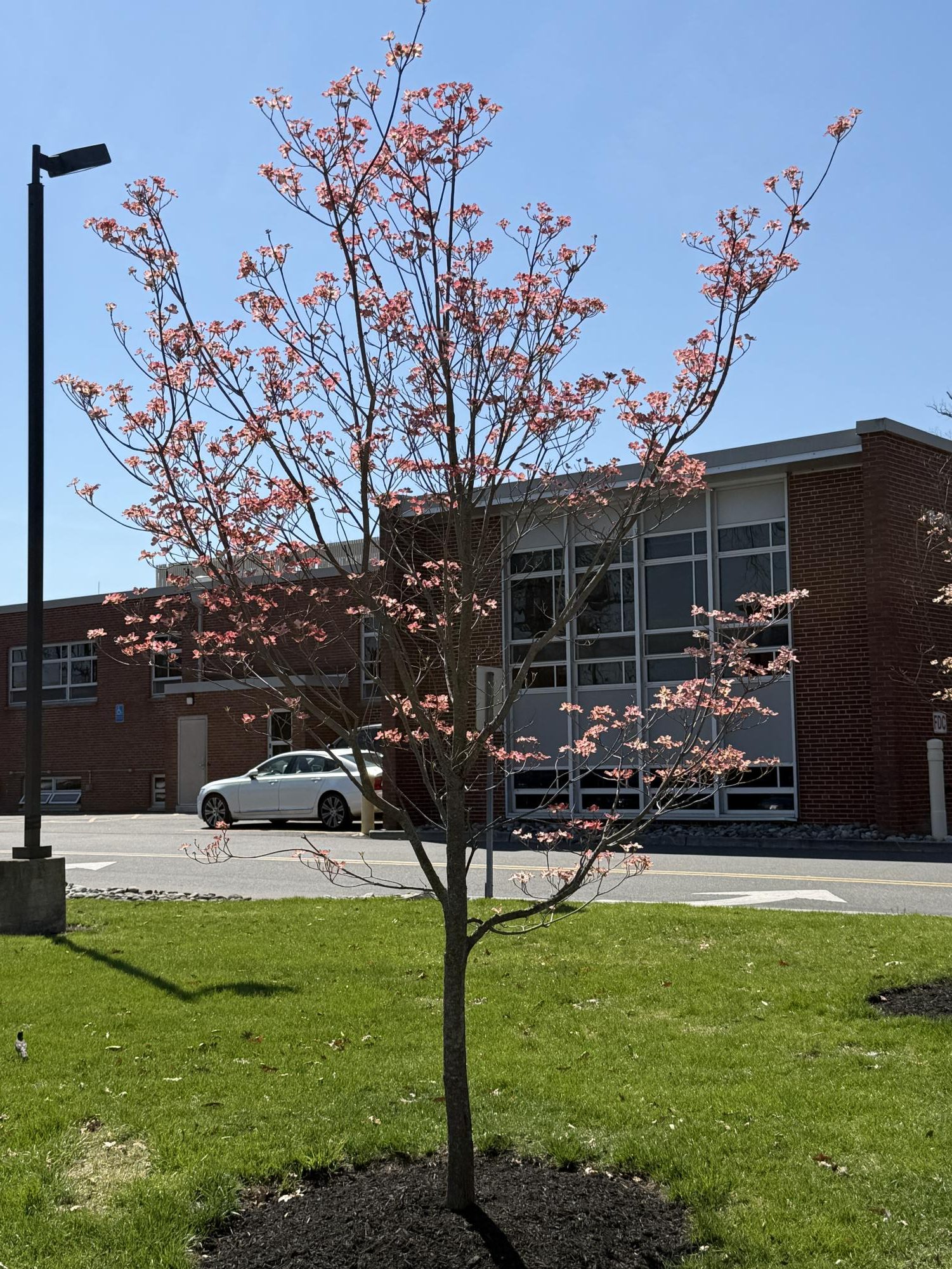
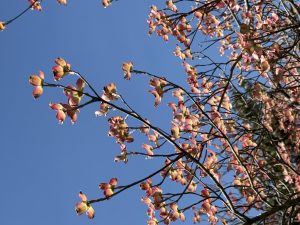
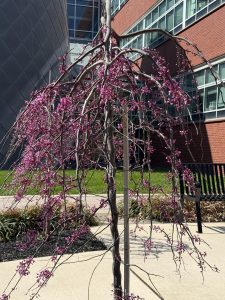
Serviceberries fall under the rose family, which also includes other trees on campus, including a small Yoshino weeping cherry tree in front of the Science Hall. These cherry trees all have white, slightly pink-tinted flowers that bloom before the leaves emerge.
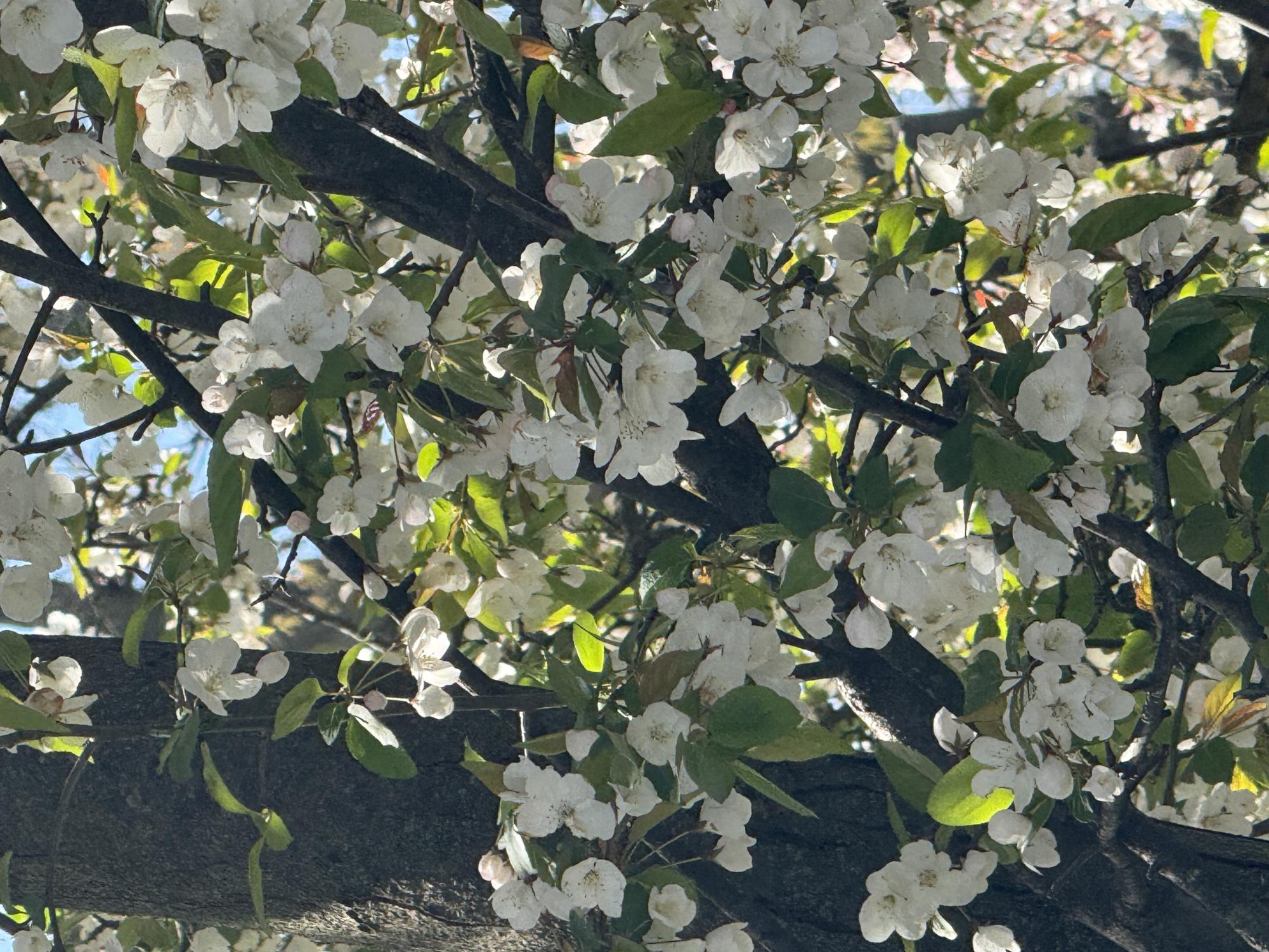
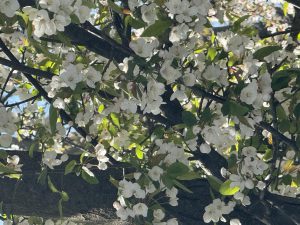
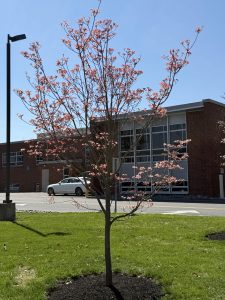
Similarly, pear trees, which also fall under the rose family, including the Callery tree on campus, also bloom with white flowers before leaves form. Since this is a pear tree, the flowers are slightly tinted green.
Callery pear trees, while big and beautiful when in bloom, are not as pleasantly fragrant as their cherry tree counterparts. Instead of a sweet, floral scent, it carries a sour, unwelcoming aroma. Callery pears are highly invasive to the local environment, to the point where Wright wants the tree removed from campus.
“I normally would never break anything off a tree here, but I’ll break this one all day because it’s so invasive,” said Wright. “This is one of the most invasive species in the region.”
Callery pears come from East Asia and are completely foreign to New Jersey. Their beauty and low maintenance requirements make them tempting to plant, according to Wright.
Callery pear trees are dotted across campus, including a line near Bole Hall towards the University Green. These trees were planted a few decades ago, according to Wright, and it wasn’t always known how invasive this species is. The pears on the trees are food for birds, which eat the fruits and then spread the seeds as they digest and pass them.
Another featured tree is the American Sweetgum right outside the Rowan University Planetarium.
The tree orbited the moon on the Artemis I ship in 2022 as a sapling, meaning it had been to space before it was planted on campus, according to Wright. The American Sweetgum hosts the Luna Moth, which inspired the arboretum to name the tree “Moon Tree” due to its trip around the moon and the word “luna” meaning “moon”.
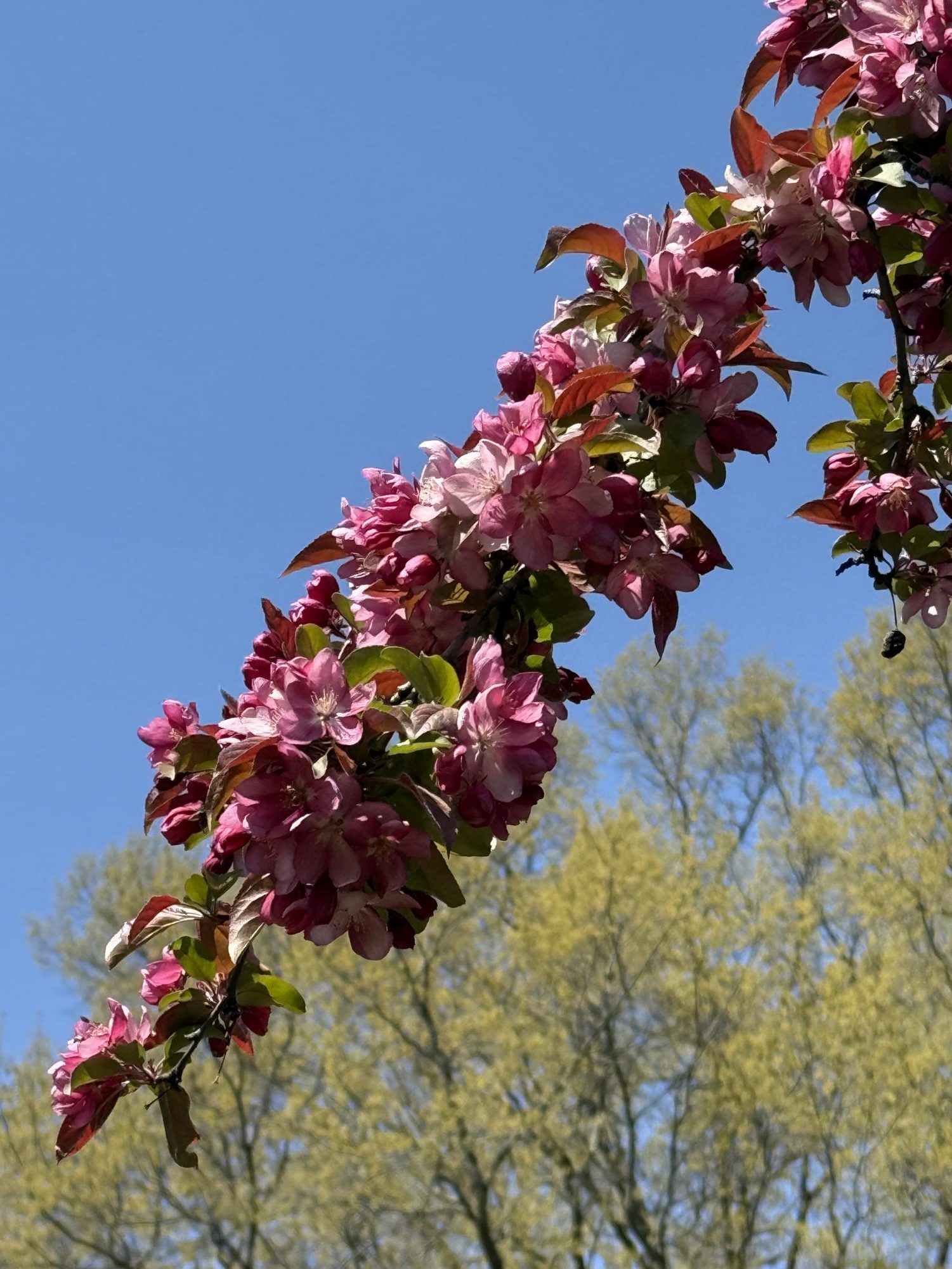
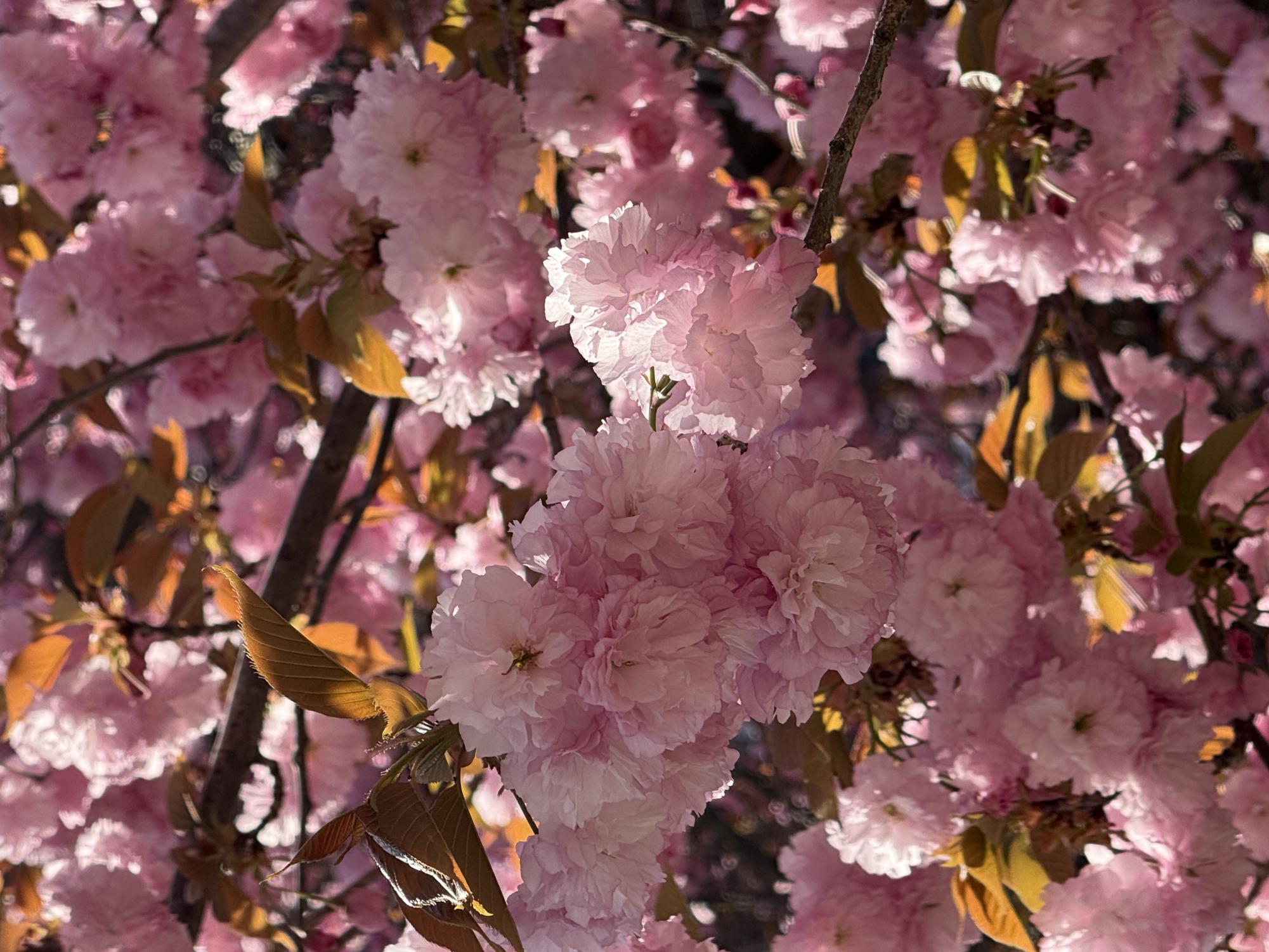
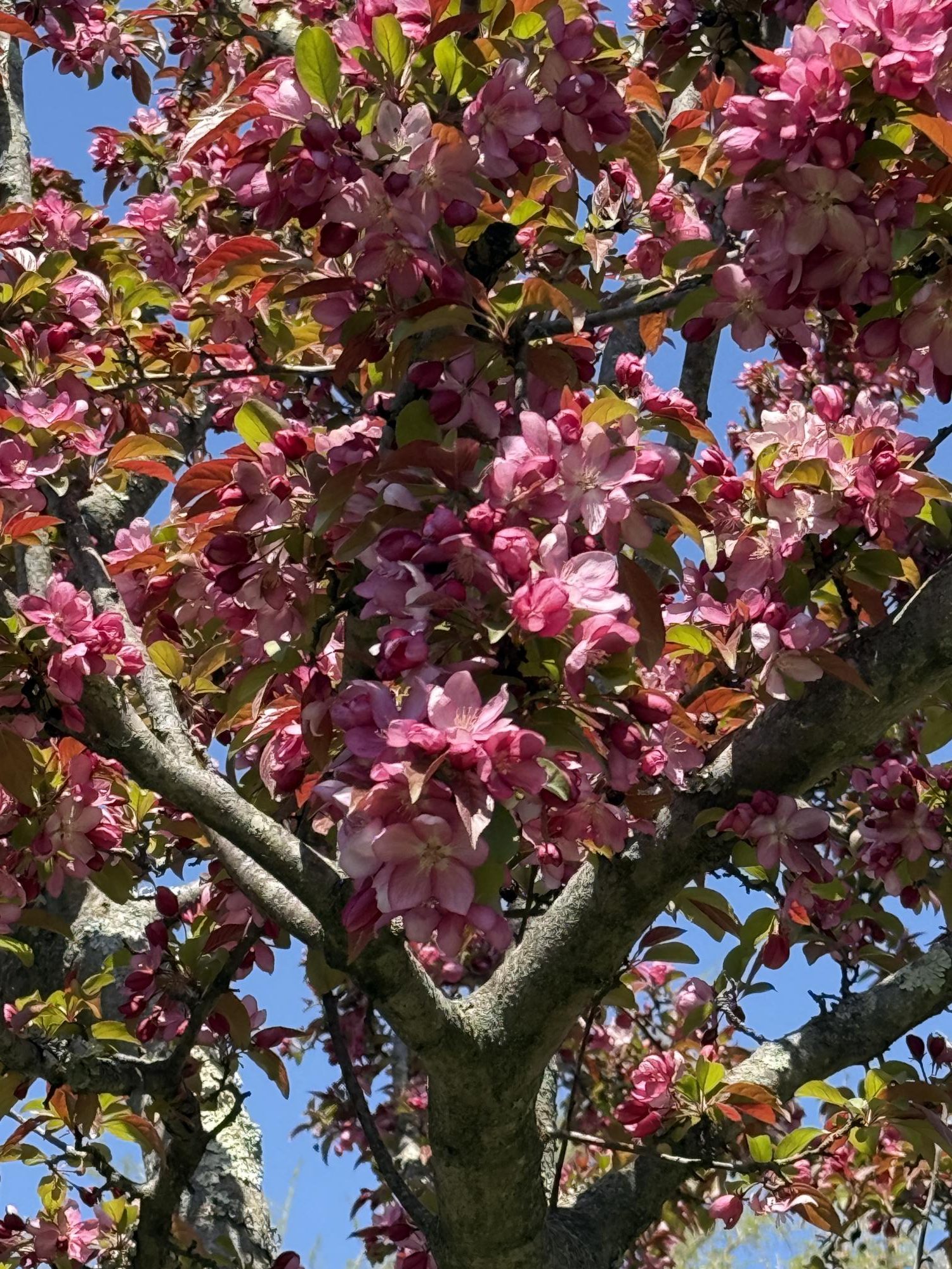
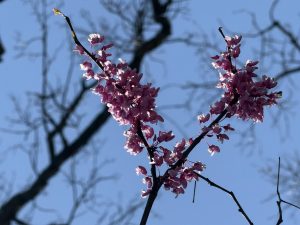
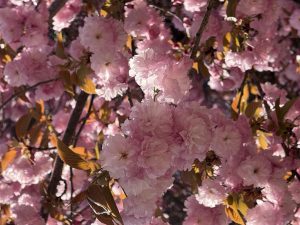
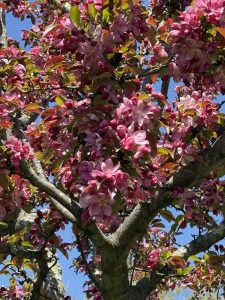
The Kanzan tree, which was planted by a student near Memorial Hall, has hot pink flowers that attract pollinators as well as human eyes. Right next to it is a tree with small green hanging buds visible. This tree gets pollinated by the wind, which blows the buds off the branch and into the soil, where another tree will grow.
According to Wright, flowers are a relatively new evolutionary feature for plants. Trees were mostly pollinated by the wind, carrying their seeds to the soil. Then, animals and insects were introduced to the environment, and when trees evolved to have flowers, some of those animals and insects used those flowers to pollinate other trees, which caused more trees to evolve to have flowers.
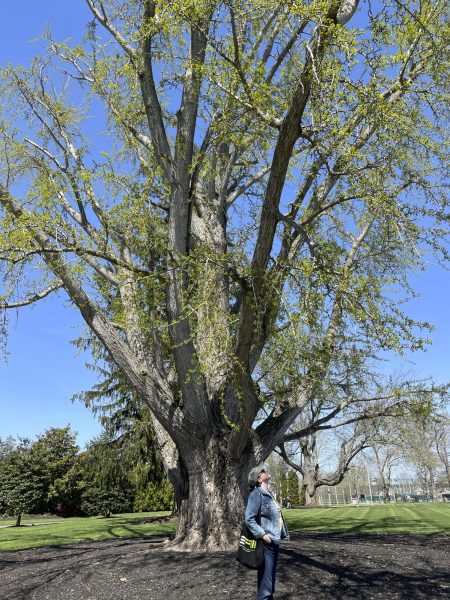
The largest trees on campus are approximately 250 years old, Wright says.
Predating the United States and the campus, which wasn’t founded until 1923, these trees stand the tallest and boast the thickest trunks, and can be seen around the University Green by Bunce Hall.
The tallest and most famous tree at Rowan, the Ginkgo, can grow up to 130 feet and sits just off center in the Green.
“Male (ginkgo trees) have structures that make pollen, and pollen has sperm inside of it,” Wright said. “This ginkgo is so ancient, most plant sperm has actually lost the flagella, and this species has flagellated sperm.”
Rowan University is currently a level-one accredited Arboretum. To progress to the next level, there must be an increase in the number of tree species, paid management, enhanced public and educational programs, and a collections policy. As the Arboretum aims to advance to higher levels, more is required of it.
To sign up for an Arboretum tour, visit the Walking Tour and Events webpage.