
South Jersey Highlights is a series of profiles on local environmental groups, advocates, clubs and natural sites. You can read all of the articles in the series. If you’d like to have your organization profiled, you can contact us.
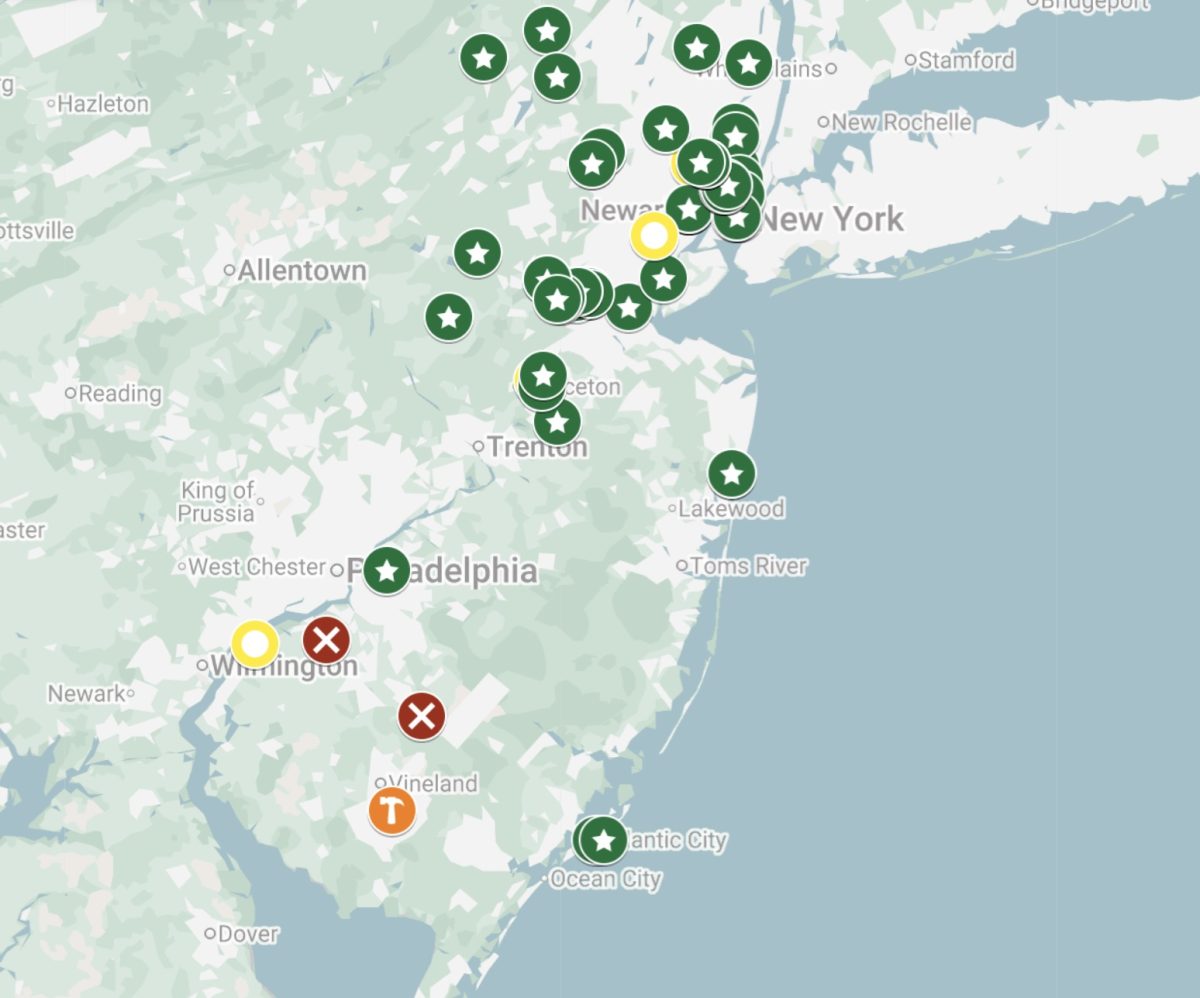
The American Littoral Society, based in Sandy Hook, New Jersey, was founded in 1961 with the goal of keeping coastlines clean, healthy and safe for people and wildlife.
The group’s name (pronounced lit’-er-al) refers to regions along the shore, and they work to pass legislation to protect waterways and manage a series of restoration and conservation projects along rivers and bays.
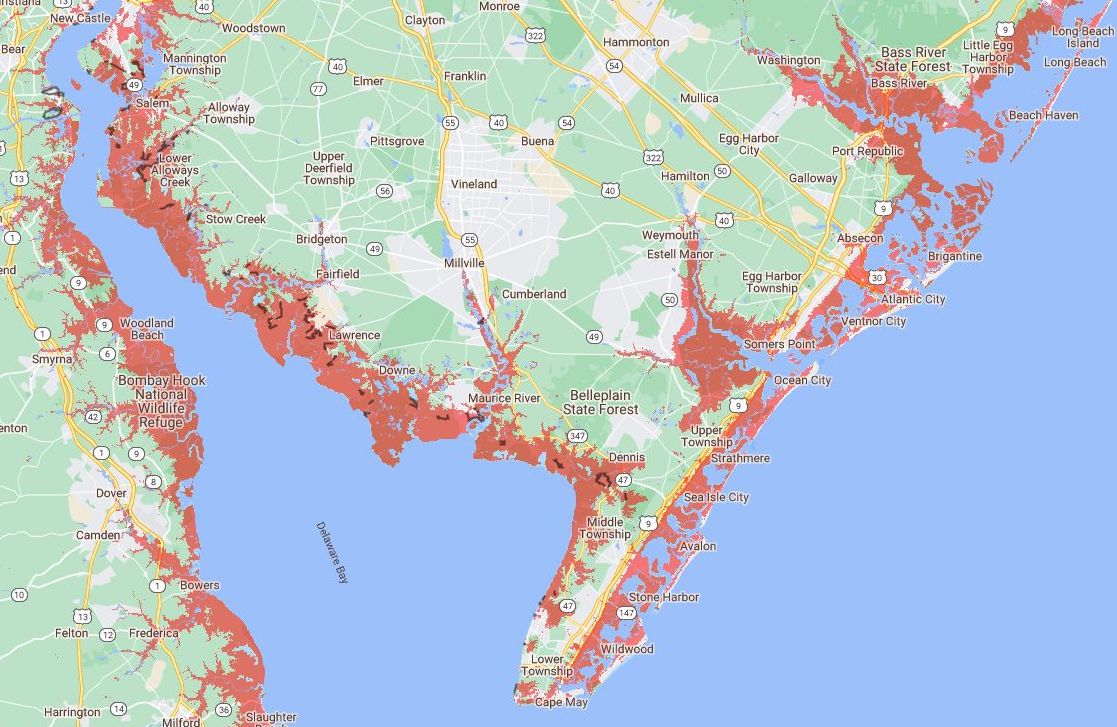
In Southern New Jersey much of their work focuses on the Delaware Bay,
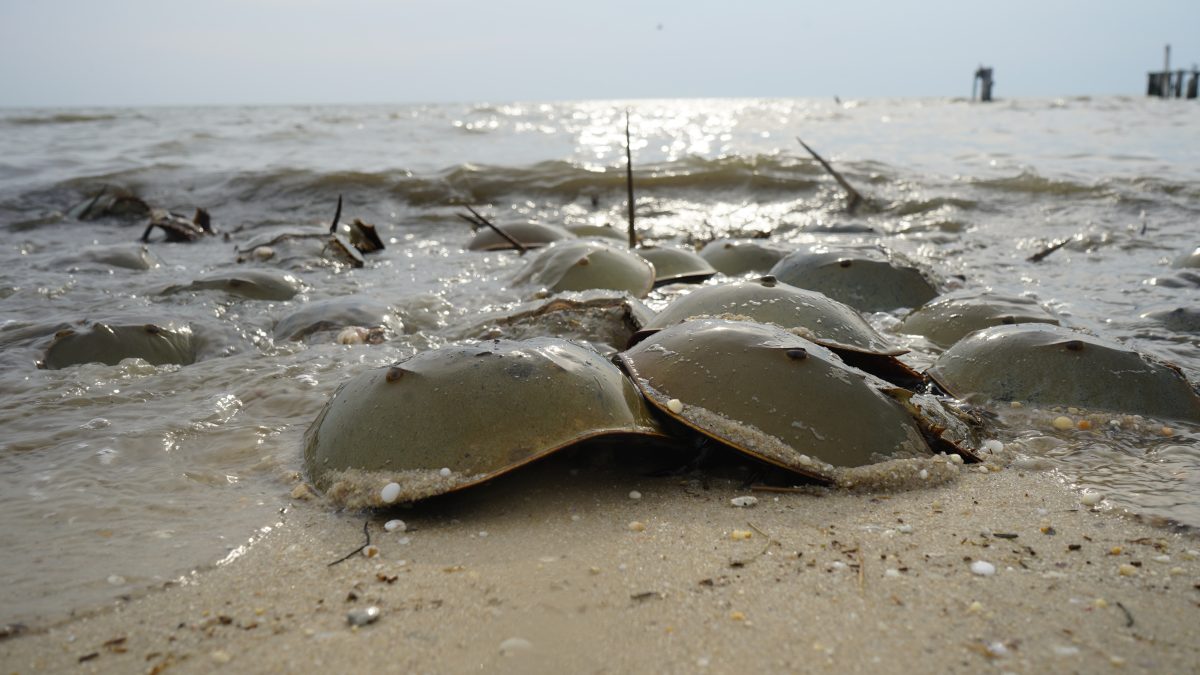
Each spring, they monitor the horseshoe crabs that lay eggs on the shoreline, providing critical food for birds migrating from South America.
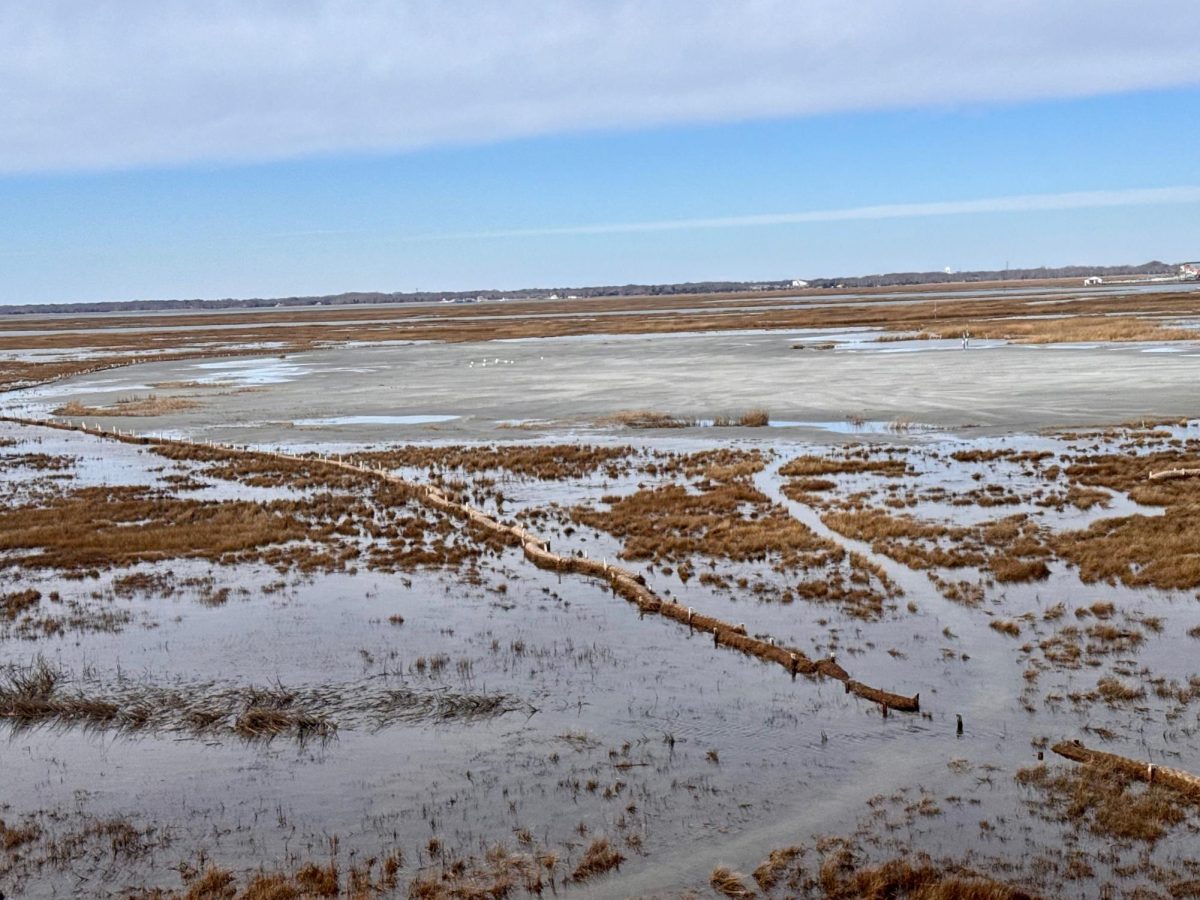
They also use natural techniques to slow down erosion, hold the shoreline, and create a habitat.
In 2012 after Superstorm Sandy, they began to build reefs using bags of oyster shells along Thompsons Beach to slow erosion, create habitat for wildlife, and protect houses from future storms.
“We see the sea level rise is sweeping away a lot of our sand resources along the marshes of our bay ecosystem,” said Danielle McCulloh, executive director.
Oyster reefs also give small fish a place to hide and grow. They also provide food for those fish, which helps the whole food chain.
“A natural structure that holds the shoreline and breaks up the waves, they clean the water,” said McCulloh. “So one adult oyster filters 50 gallons of water a day.”
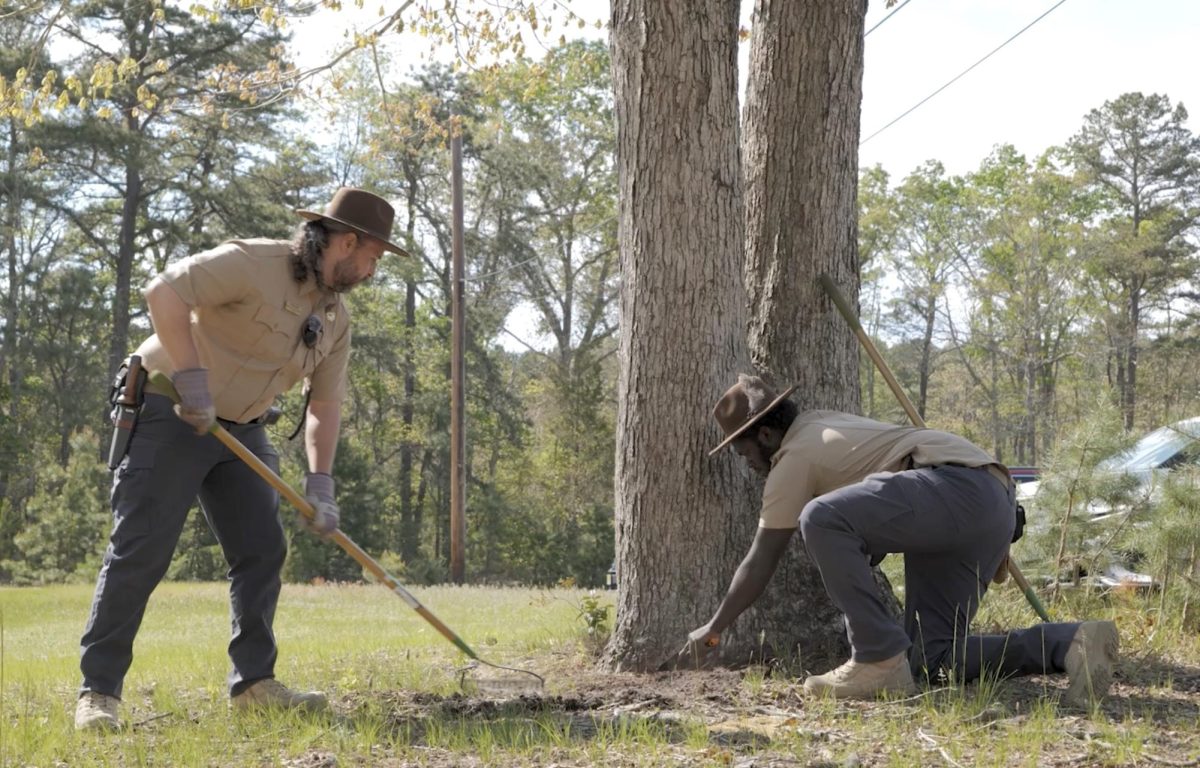
Restoring waterways and coastlines also requires educating the public. So they offer weekend camping trips, trail walks, angler fishing courses, shell bagging, kayak tours, and fish tagging.
Their website states: “We lead students young and old into the water to get their feet wet and their hands muddy.”
Through active education they hope to build lasting connections between people and the waterways.
“We can never make it back to what it used to be,” said McCulloh. “But we can make sure that we are using nature in partnership with human infrastructure to benefit us, benefit nature, and benefit species.”