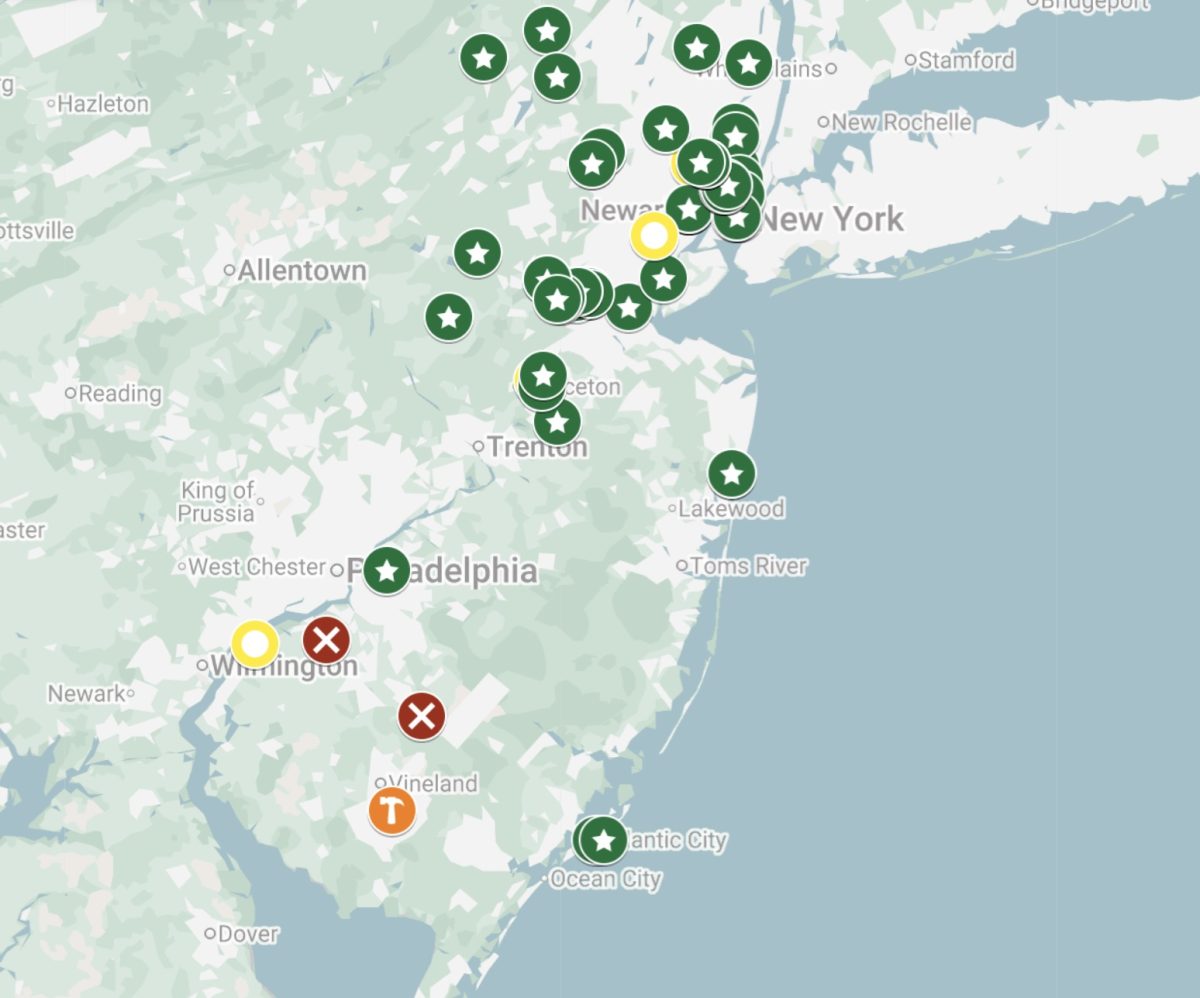

When New Jersey banned single-use bags in May 2022, the goal was to prevent waste, cut down on pollution, and inspire people to create more sustainable habits.
By many measures, the effort was a huge success.
The ban removed more than 24 billion plastic bags and 480 million paper bags from the waste stream in the first three years, according to the New Jersey Clean Communities Council. Jersey Shore communities, in particular, have reported a significant reduction in litter on beaches and in oceans.
But the ban also had unintended consequences.
Many shoppers now have reusable bags everywhere, piled in their cars, stuffed in closets, or left at home. Some stores offer cheaply-made “reusable” bags that can break easily and often end up being thrown out after just one use. One study argued that plastic consumption has actually increased since the law took effect.
As a result, some New Jersey residents still don’t like the law. And some lawmakers are looking to amend or even to repeal it.
In reality, no bag is perfect. Each has its own environmental impact. How you use bags is often just as important as which bag you use.
Here is a quick guide to the pros and cons of common shopping bags – and how you can do your part to reduce waste.
Single-Use Plastic Bags
 For years, stores offered single-use plastic bags because they are cheap, lightweight, and convenient. Those are the same reasons they create so much litter.
Pros
- Plastic bags can hold heavier items than paper ones without tearing.
- Water resistant
- Can be repurposed for trash liners, cat litter or storage.
Cons
- Most plastic bags are not accepted in standard recycling systems.
- Plastic bags get caught in trees and pollute oceans. They can be harmful to marine life that mistake them for food.
- Their production relies on fossil fuels.
 Paper Bags
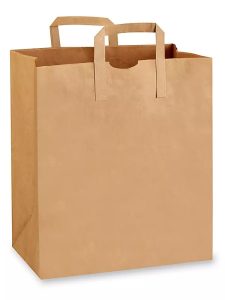
As an alternative to plastic bags, many shoppers like old-fashioned paper grocery bags or ones with handles, which can be made from recycled paper. They often don’t last after a few uses. But they can be recycled.
Pros
- Biodegradable and compostable: Paper bags naturally break down over time, reducing long-term environmental impact.
- Recyclable and reusable: Paper bags can be recycled and repurposed for various household uses.
Cons
- Paper bags can rip with heavy loads and don’t stand up to liquids.
- Resource intensive: Paper bags are made from trees, contributing to deforestation.
- Higher pollution footprint: Studies indicate paper bags generate significant air and water pollution during production.
Reusable Plastic Bags
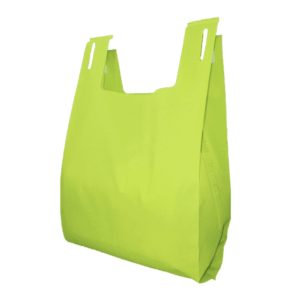
Today, many stores offer cloth-like plastic bags made from synthetic fibers called Non-Woven Polypropylene (NWPP). But they aren’t all constructed in the same way. Some are cheap, thin and often get tossed out. Others are stronger and can be reused many times. But NWPP bags still contain plastic. And they will last thousands of years.
Pros
- Lightweight, easy to carry, fold up, and store.
- Reusable if sturdy enough.
Cons
- Tear or break after heavy or long use.
- Not biodegradable like cotton or paper.
- Contain microplastics.
Reusable Fabric Bags
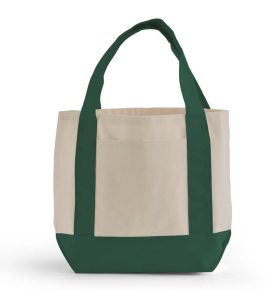 Fabric bags made from materials like cotton or canvas can be great, but only if you use them frequently. Cotton bags require lots of resources – land, water, fertalizers, pesticides — and you need to reuse them hundreds or even thousands of times before they have less impact than a single plastic bag. Research which bags are best before you buy them.
Pros
- Better for the planet: Less plastic trash in the ocean and landfills.
- Strong and last longer: Can carry heavy stuff without breaking.
- Can be used for many things: Shopping, gym, beach, storage, etc.
- Can be composted if they don’t contain dyes.
Cons
- More expensive at first.
- Need to clean them: Can build bacteria and get dirty if not washed.
- Take up space: Harder to carry around than tiny plastic bags, many people hoard them and forget them at home
The Bottom Line: What You Can Do
How you use your bags matters.
Buy less stuff.
Reuse bags you already have, especially NWPP or fabric ones, before you buy new ones.
Buy used reusable bags second-hand or make them yourself.
Keep reusable bags in your car or backpack so you have them when you need them.
Wash cotton or sturdier reusable bags when you do laundry.
Donate extra reusable bags instead of tossing them out. In South Jersey, you can donate them to the Food Bank of South Jersey’s Reusable Bag Program.