Podcast recorded and produced by Riley Granata
Text by Chris Otto
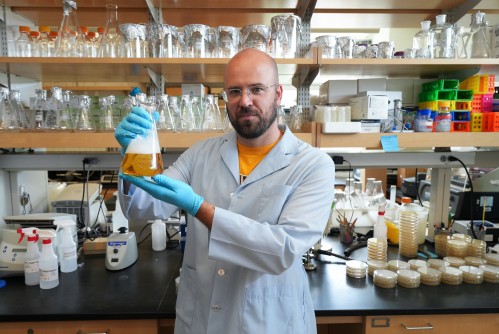
When Dr. Matthew Farber sees a tree, he sees the potential for scientific discovery, education, and brewing beer.
Farber is an associate professor of biological and biomedical science at Rowan University in Glassboro, who specializes in fermentation and brewing science.
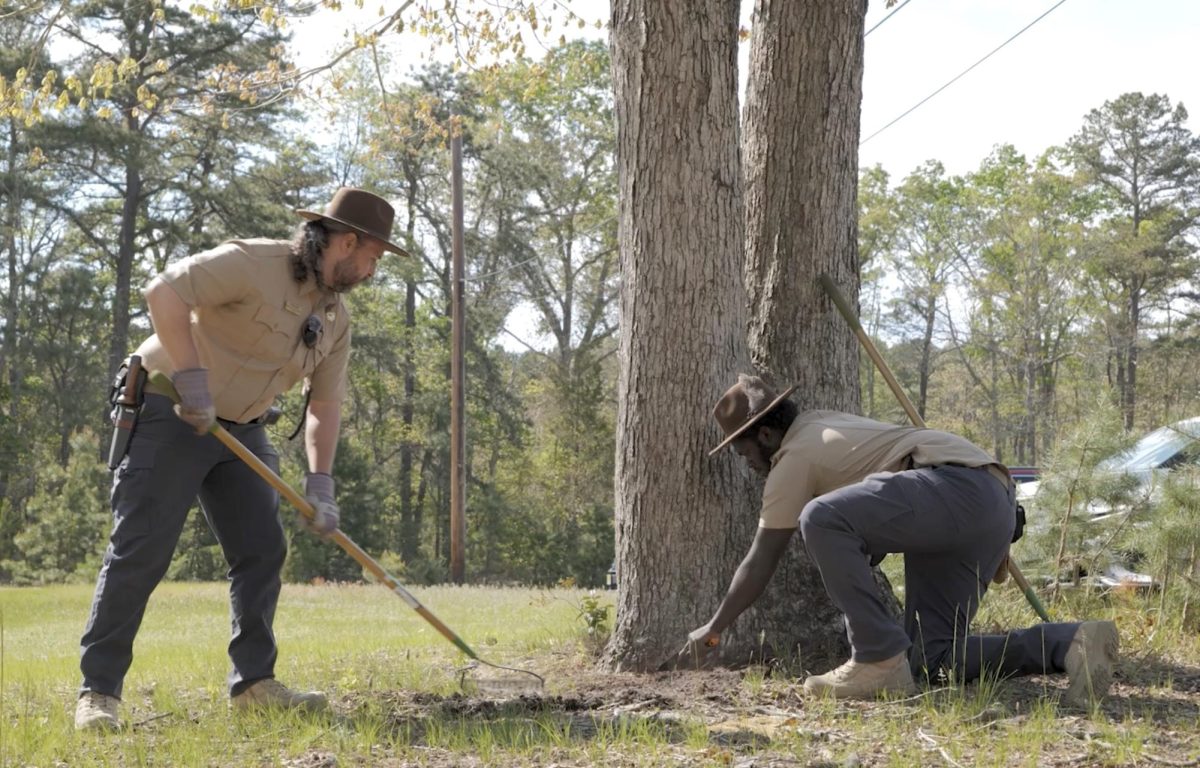
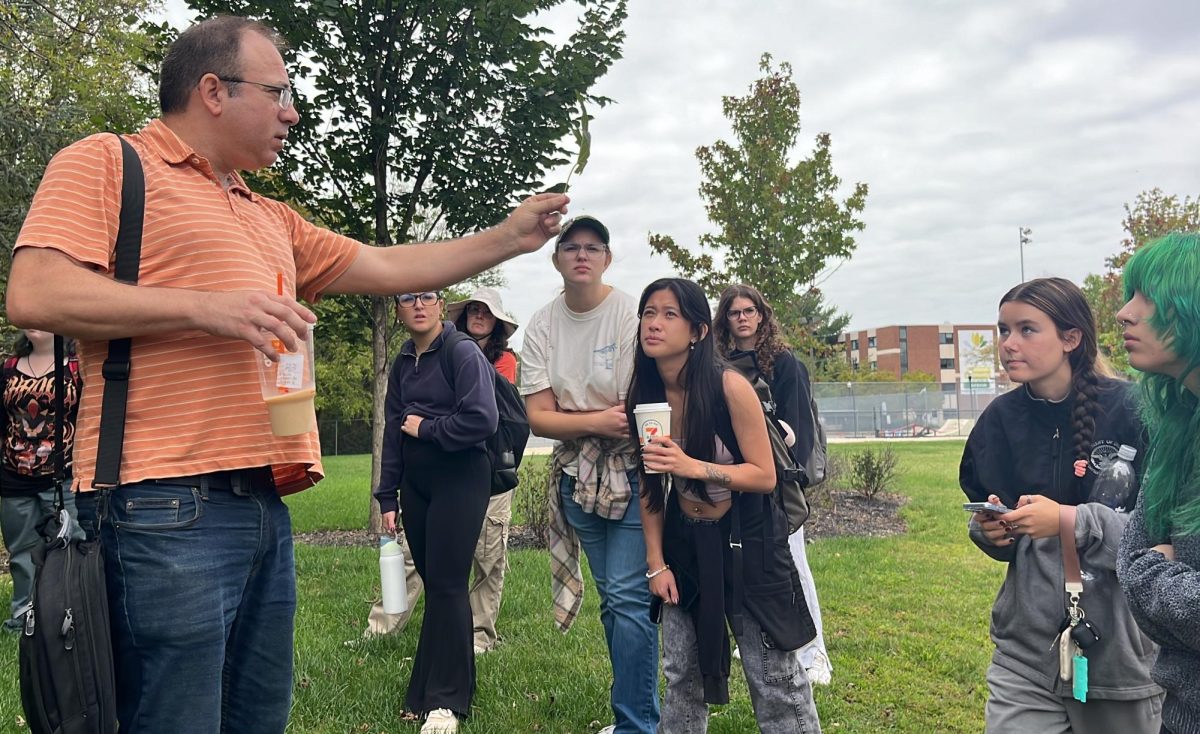
Farber teaches his students by taking them “yeast hunting,” a research technique that allows students to go out into the environment and look for samples of wild yeasts.
“Microbes are everywhere, so there’s a good chance that what a student brings back, we’ll be able to grow and cultivate yeast,” said Farber. “They’ll isolate it, we’ll identify it to make sure it’s safe to handle, we’ll try to ferment a beer with it, and we’ll see if it’s useful for industrial applications.”
Farber’s first exposure to the technique came during his time at the University of Pittsburgh while working under Dr. Graham Hatfull, who created the university’s “phage hunting” program.
“Phage are viruses that infect bacteria, and there are way more phages in the world than even microbes, way more microbes than there are people,” said Farber. “You can go out into the soil anywhere in the world and find lots of new and novel phages, and I was inspired by that kind of approach of getting students out into the field, pulling samples back out so that students could feel that sense of discovery and then take some ownership in what they’ve actually isolated from the environment.
Farber applied the technique to identifying new yeasts that can have commercial applications.
A few years ago, he discovered a new yeast from a dogwood tree in West Philadelphia that is able to produce both lactic acid and alcohol, which resulted in the creation of his own distributed beer yeast called Philly Sour.
At Rowan University, Farber’s classes have been focusing on oak trees, and they’ve been using a numbered guide put together by university’s arboretum.
The yeasts for brewing traditional ales and lagers have been “domesticated” over thousands of years, according to Farber. So the program is looking for wild yeasts that are novel or unique.
His students typically have a 95% success rate of identifying the yeast samples they find out in the field. The number of those yeasts that can actually ferment beer is around 5% to 10%, and the number of them that could be commercially viable is about 1%.
In the process, students are gaining new knowledge of the natural world.
“There are an estimated 200,000 species of yeast in the world and only about 5% have been characterized in the literature,” said Farber. “So there is a lot of undiscovered potential out in the world.”