Laurie Zaleski was too excited to stay seated on the set of the Kelly Clarkson show.
“I can’t believe I’m here!” Zaleski yelled to the cheering crowd as she bounced up and down.
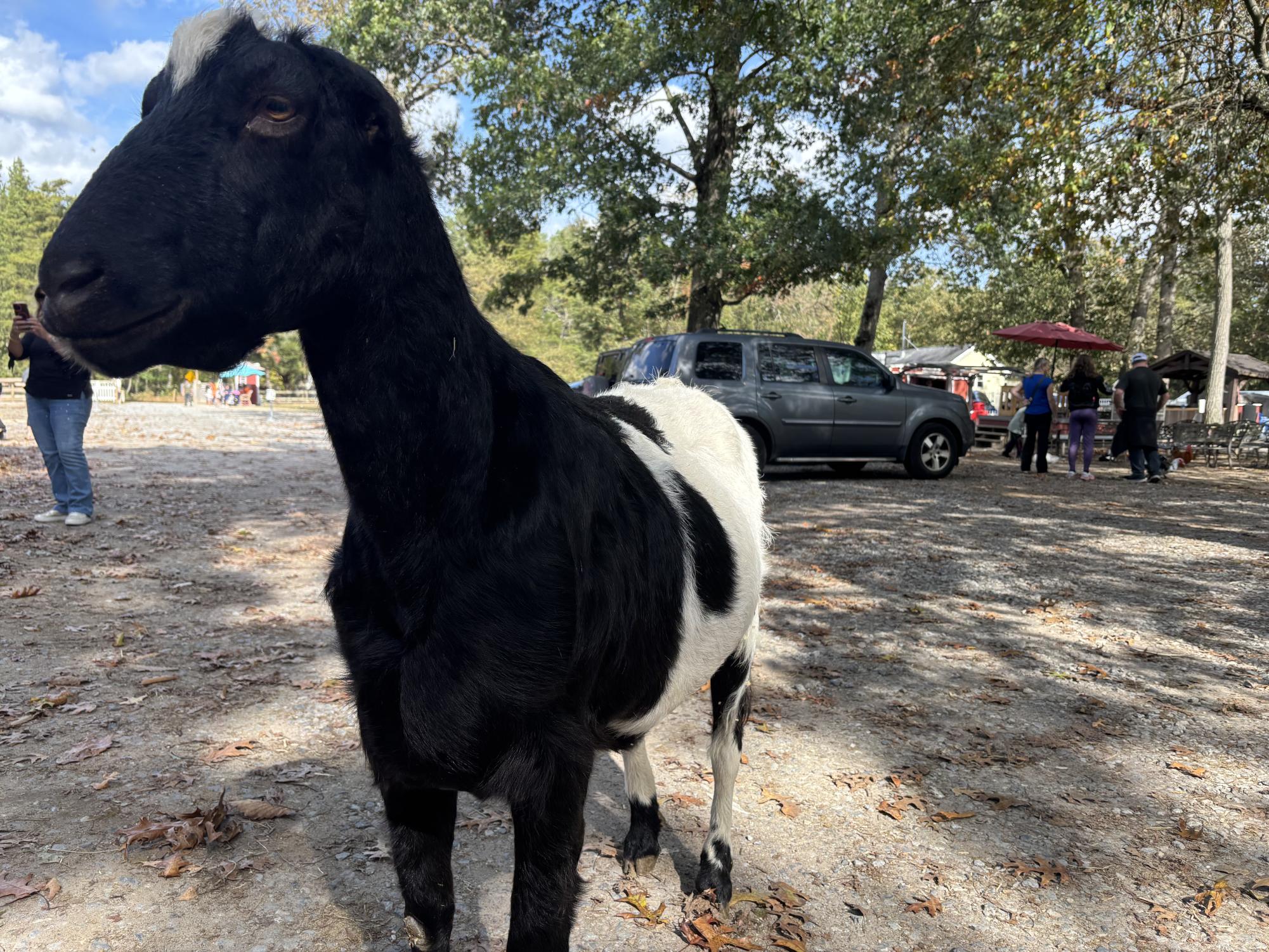
Zaleski had her own dressing room for the TV appearance. And so did the animals she brought along with her – Adele the ‘Diva chicken’ and Ruby the goat, who loves to chew on people’s clothes.
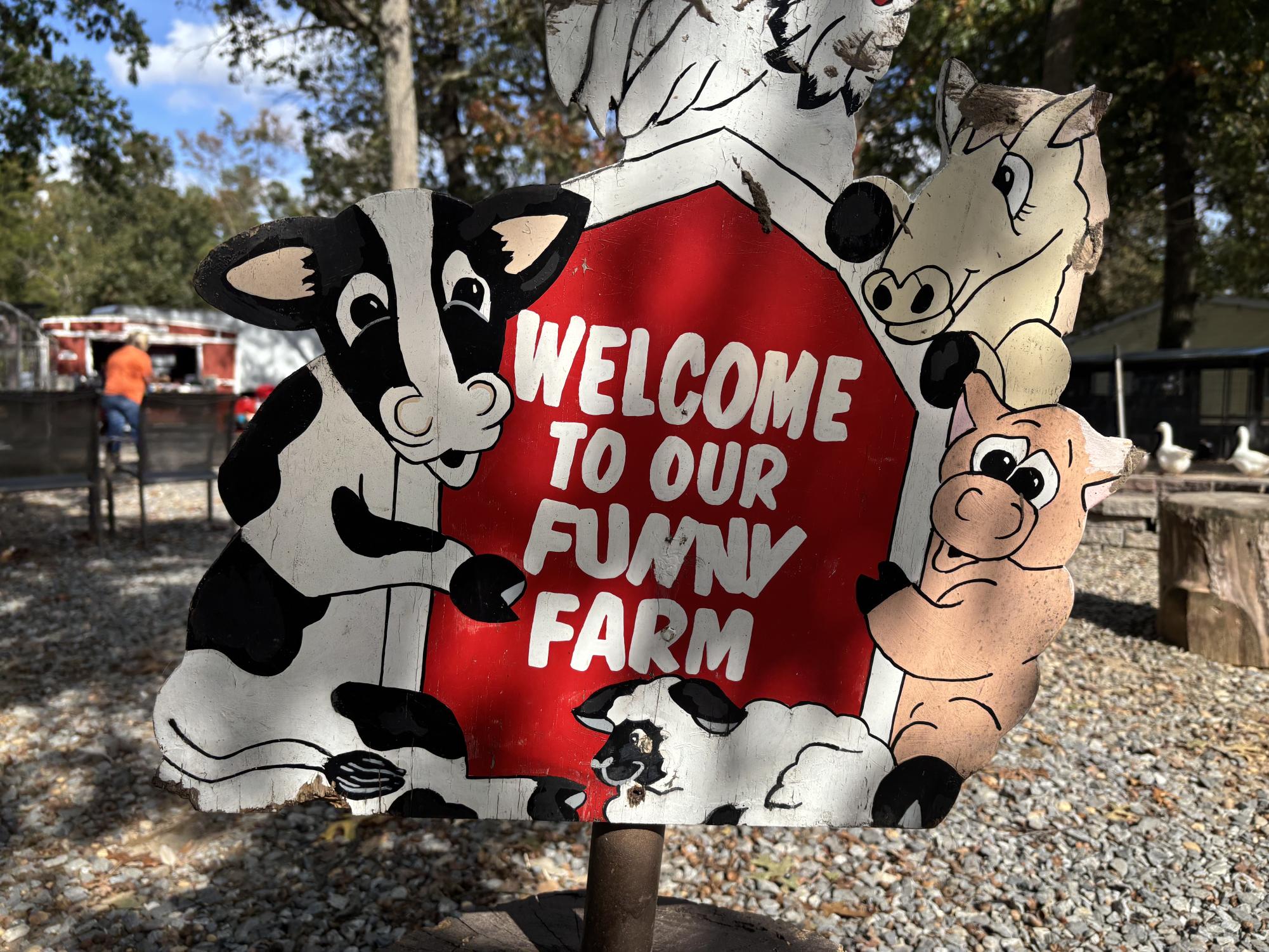
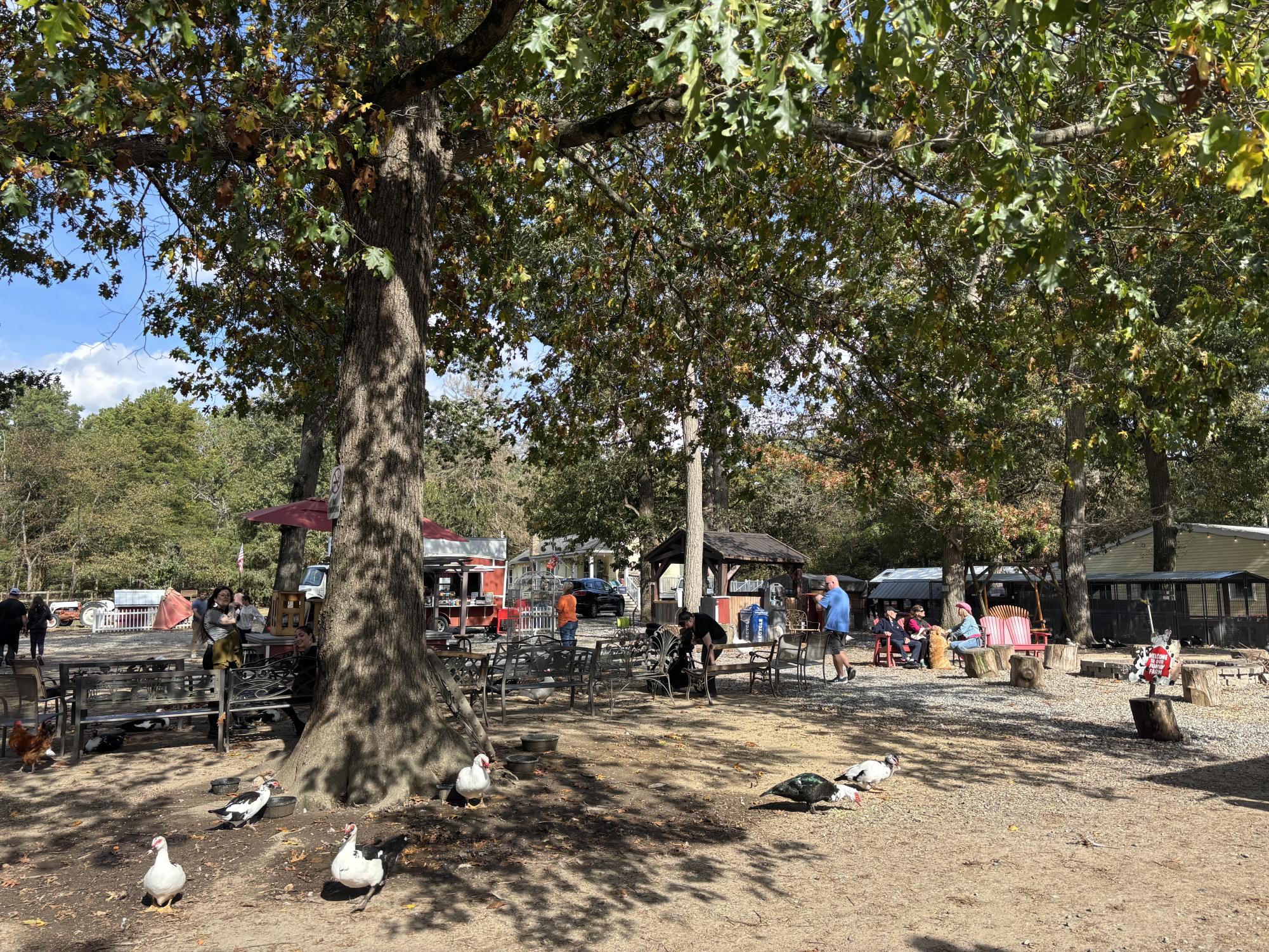
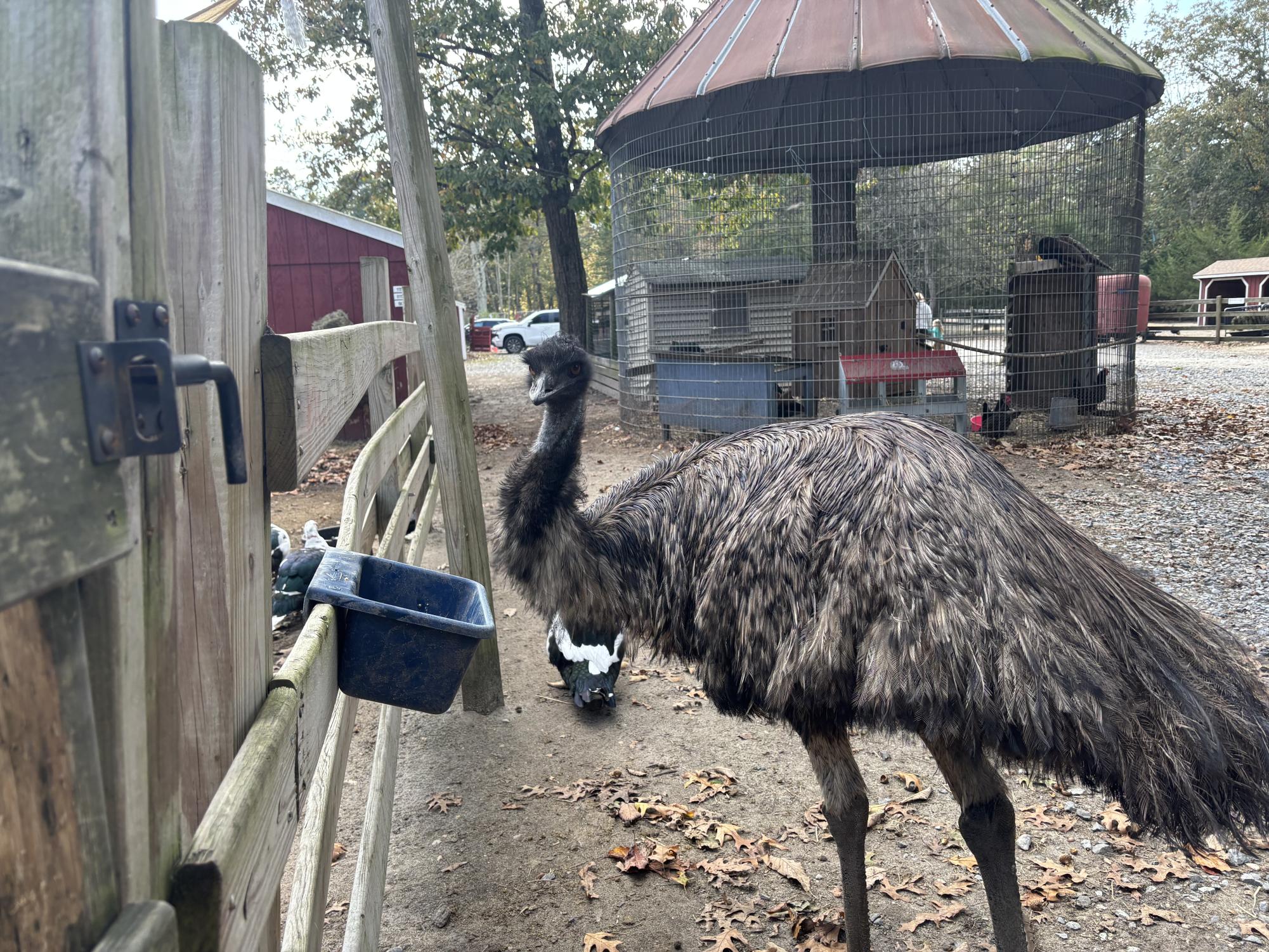
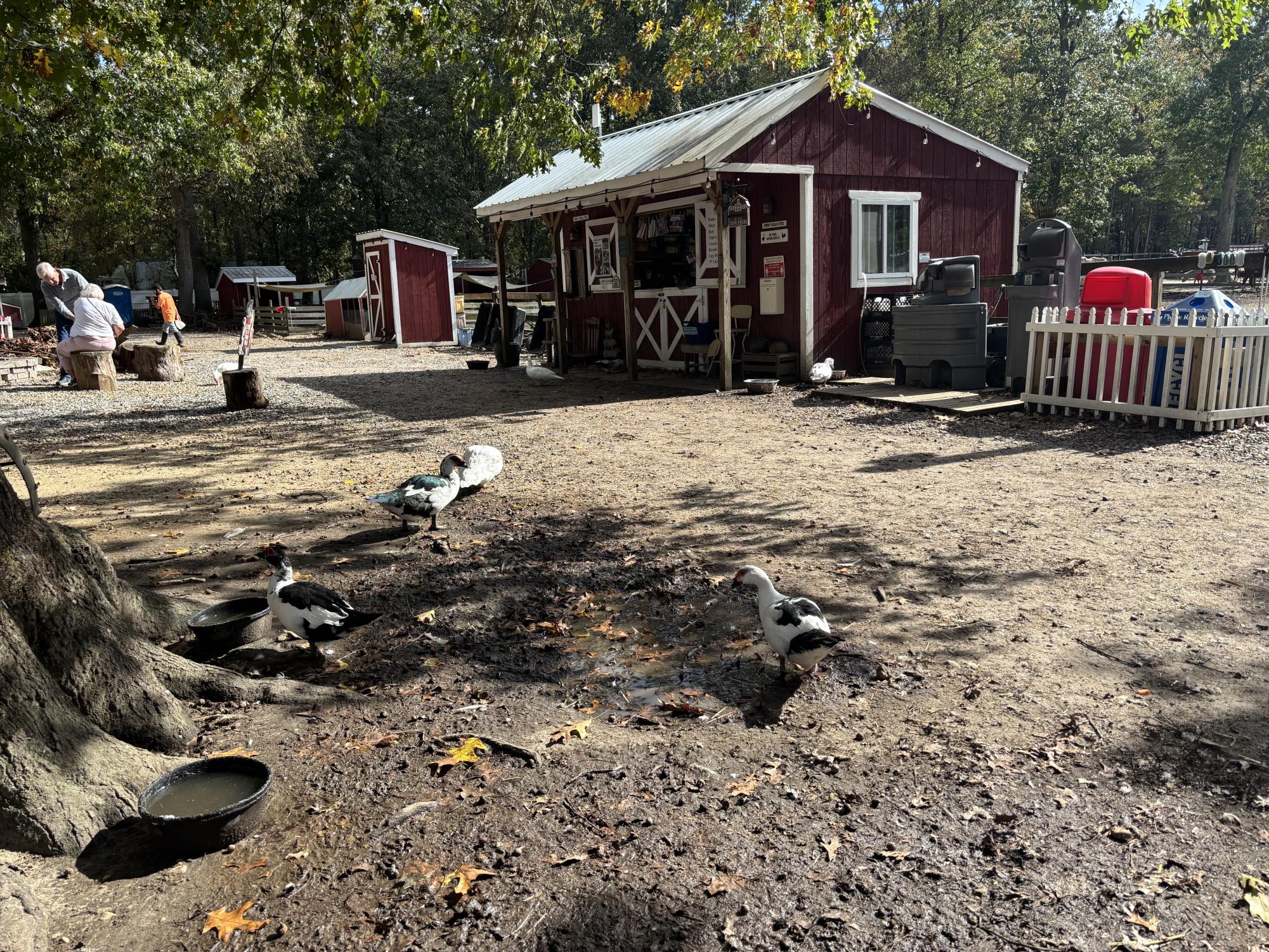
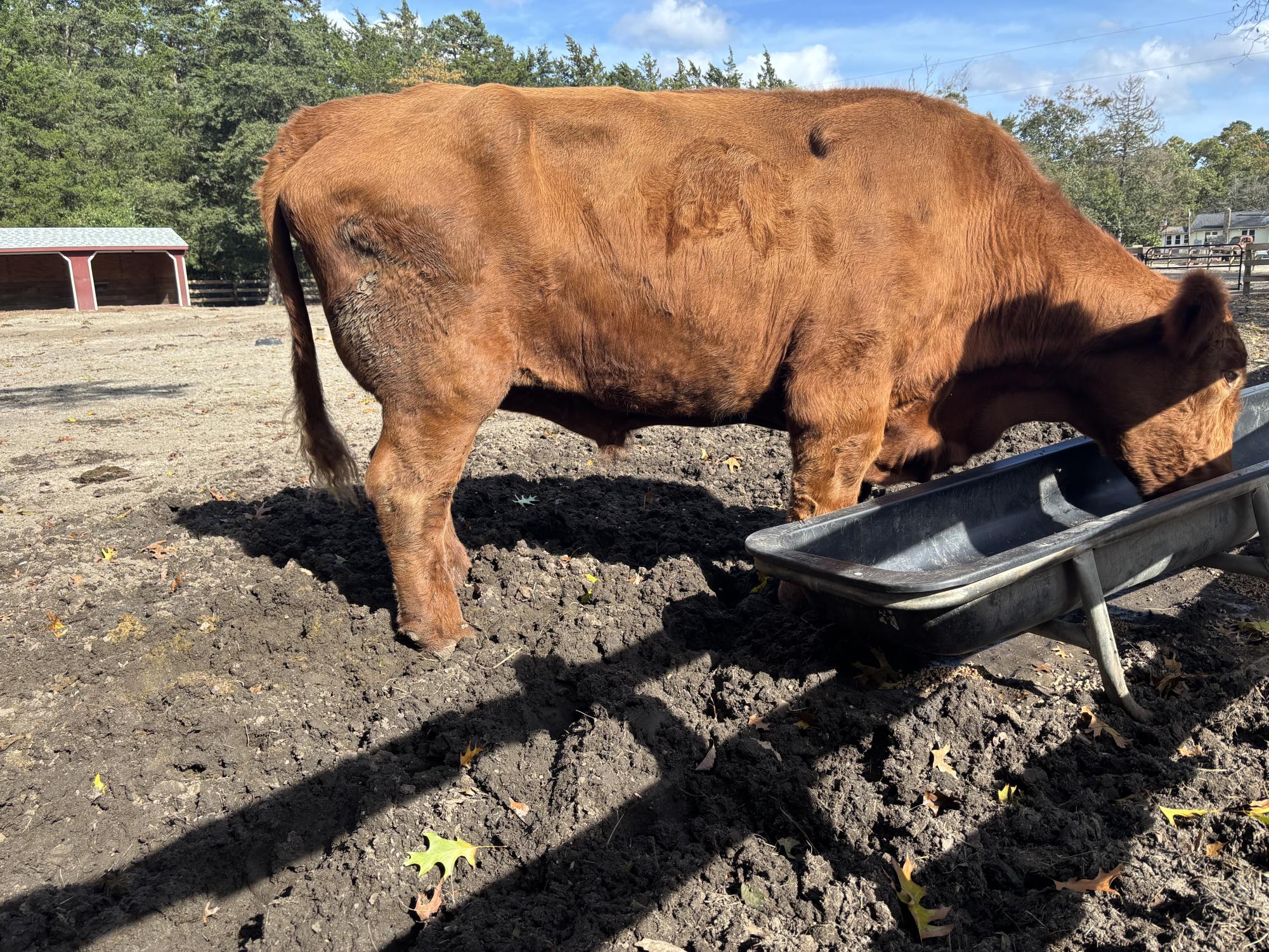
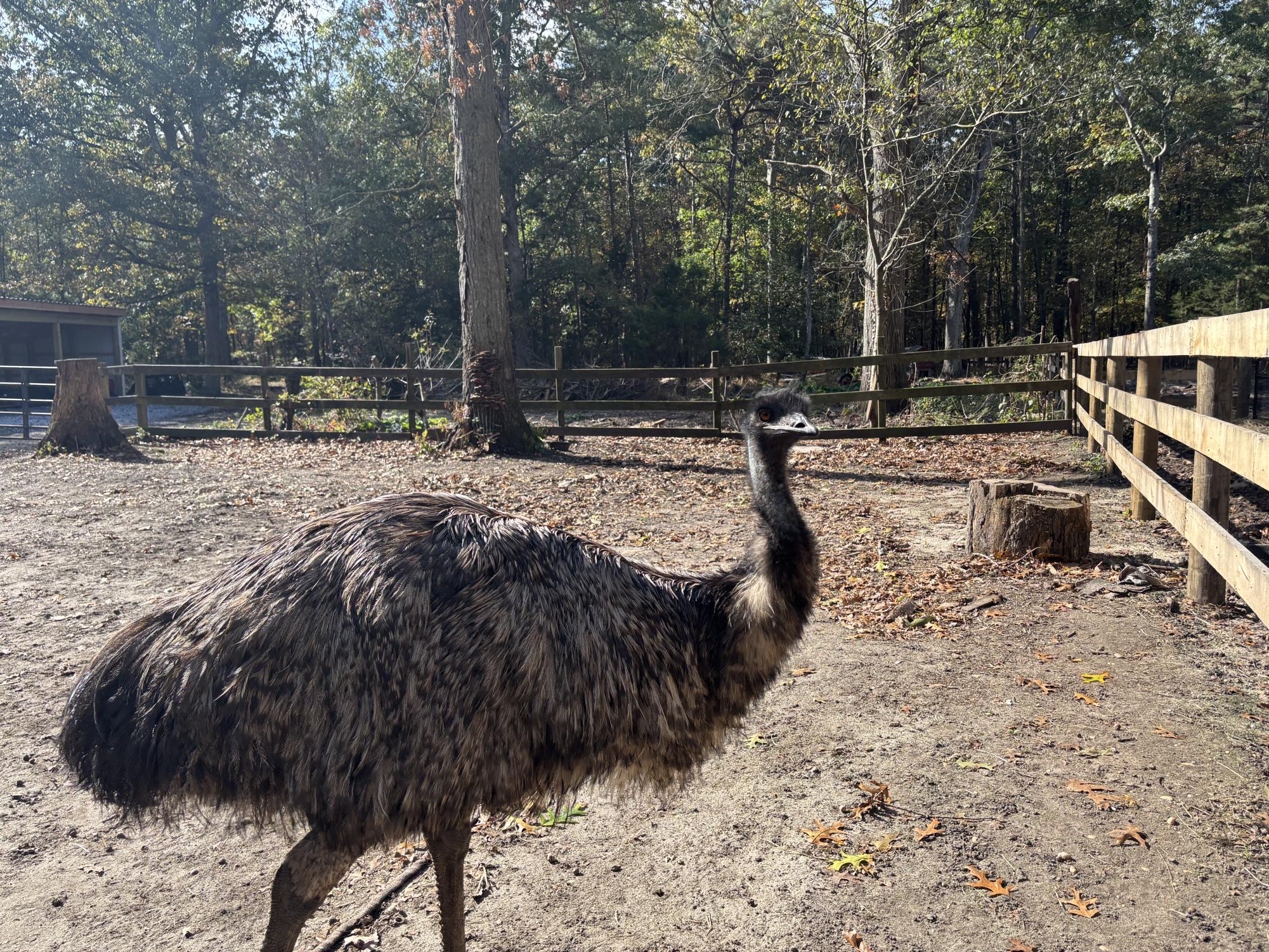
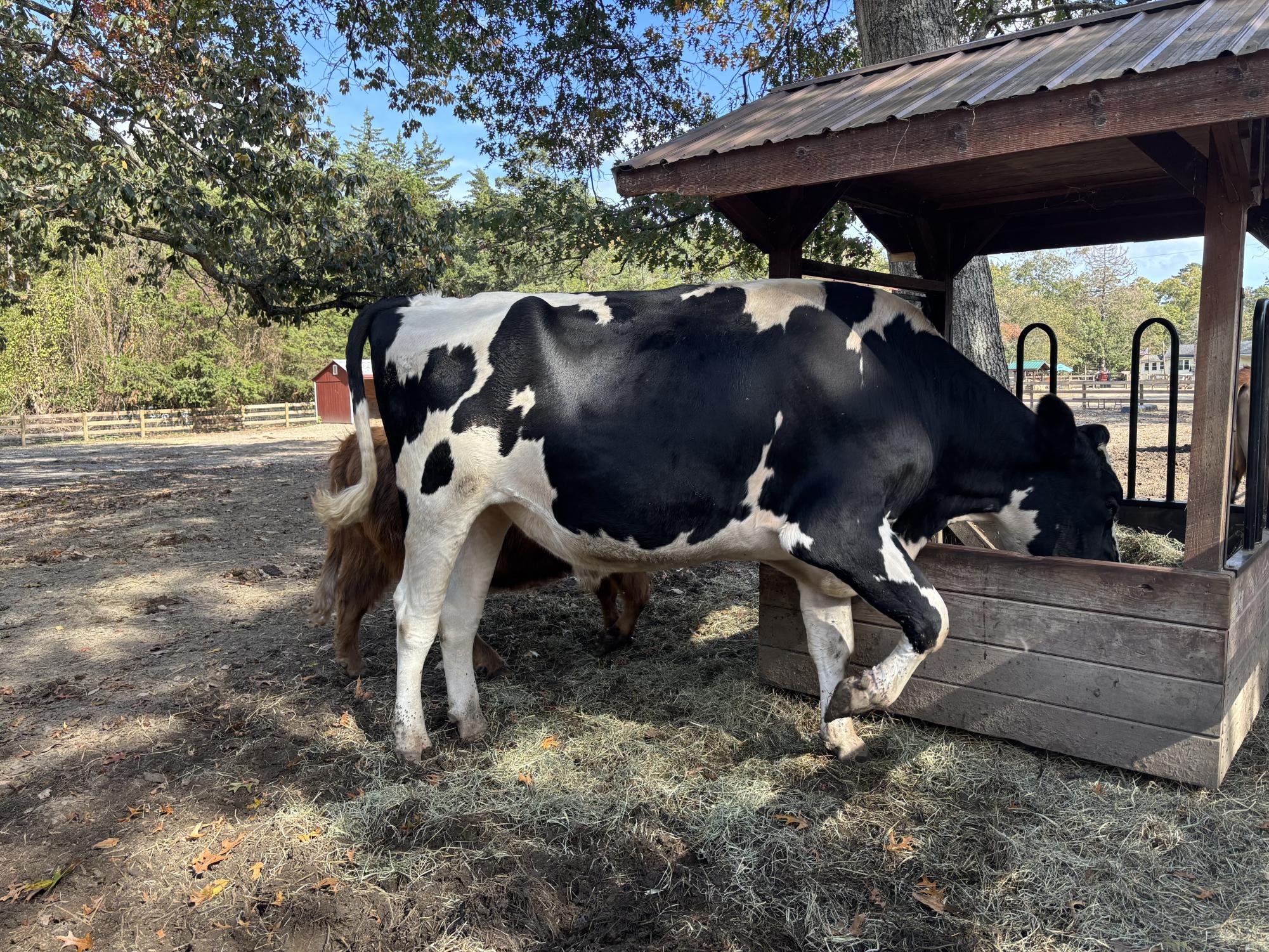
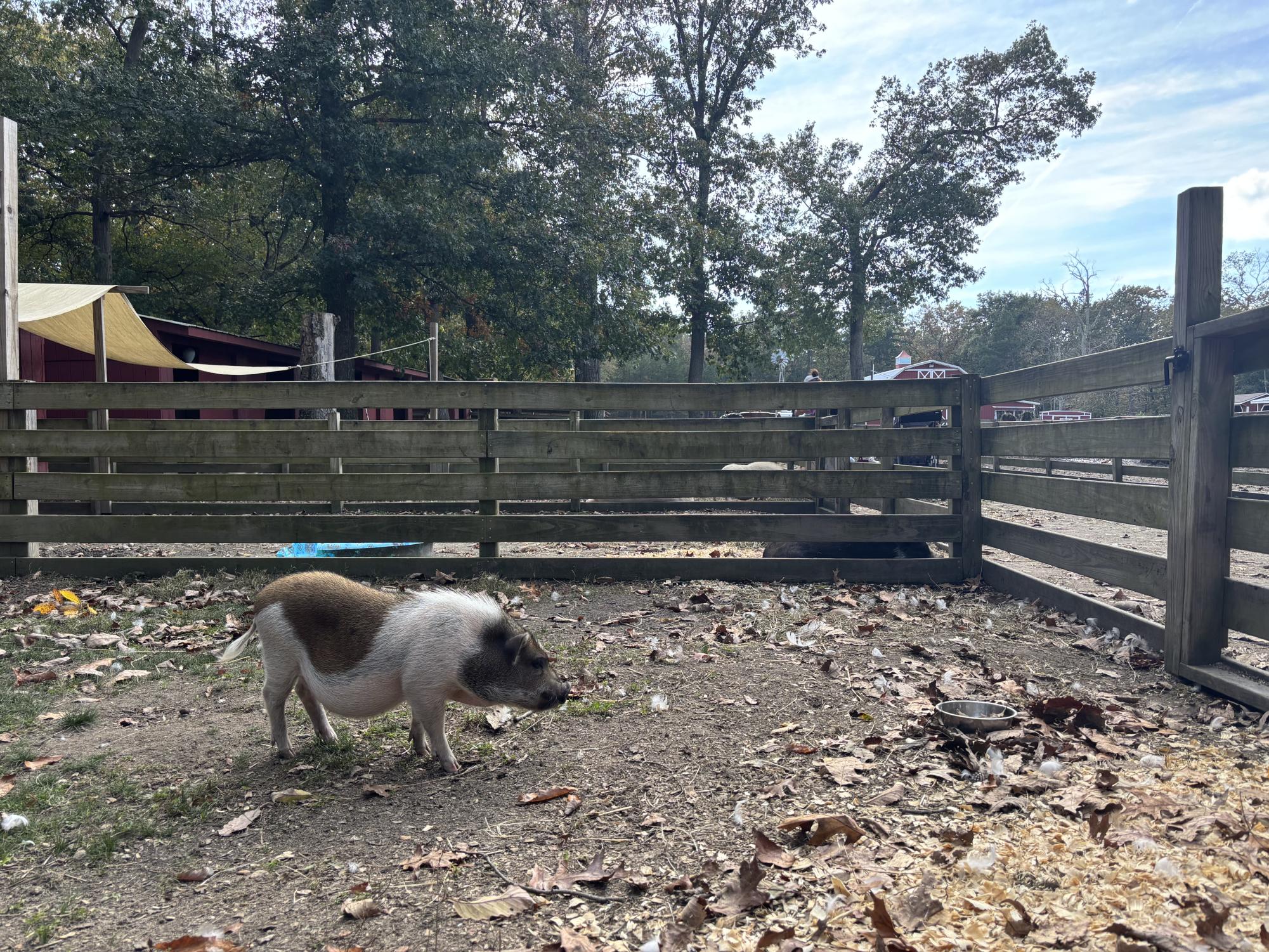
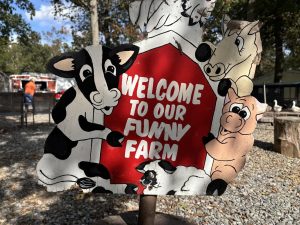
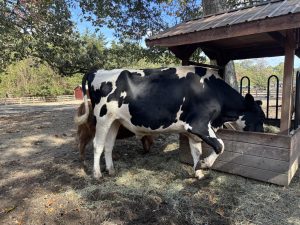
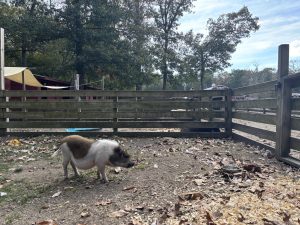
Nearly two decades ago, Zaleski founded the Funny Farm Rescue, an animal sanctuary in May’s Landing. Today, it is home to over 750 animals, including 35 cats, 12 dogs, a goat, a cockatoo and a chicken that live with her in her house.
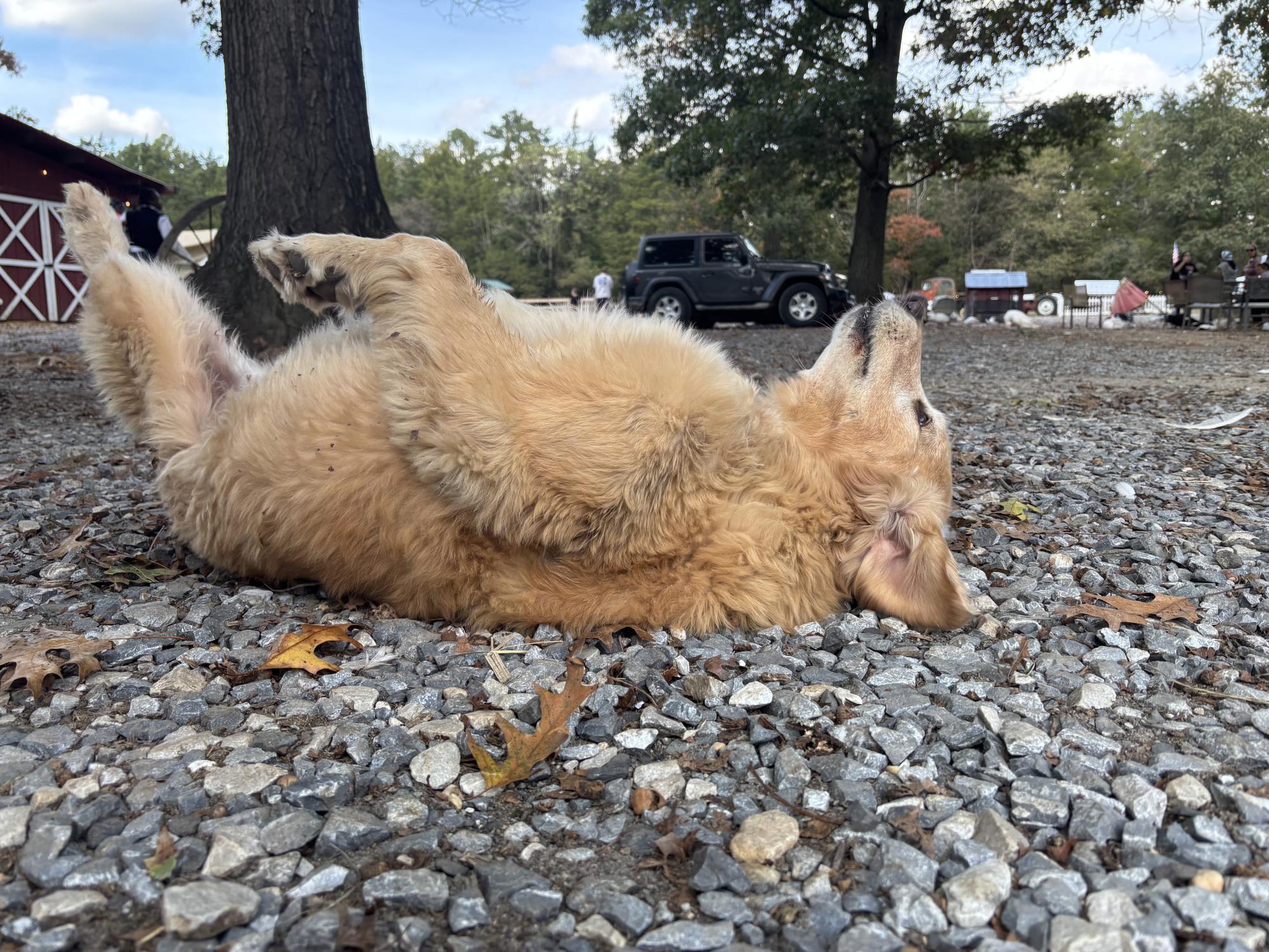
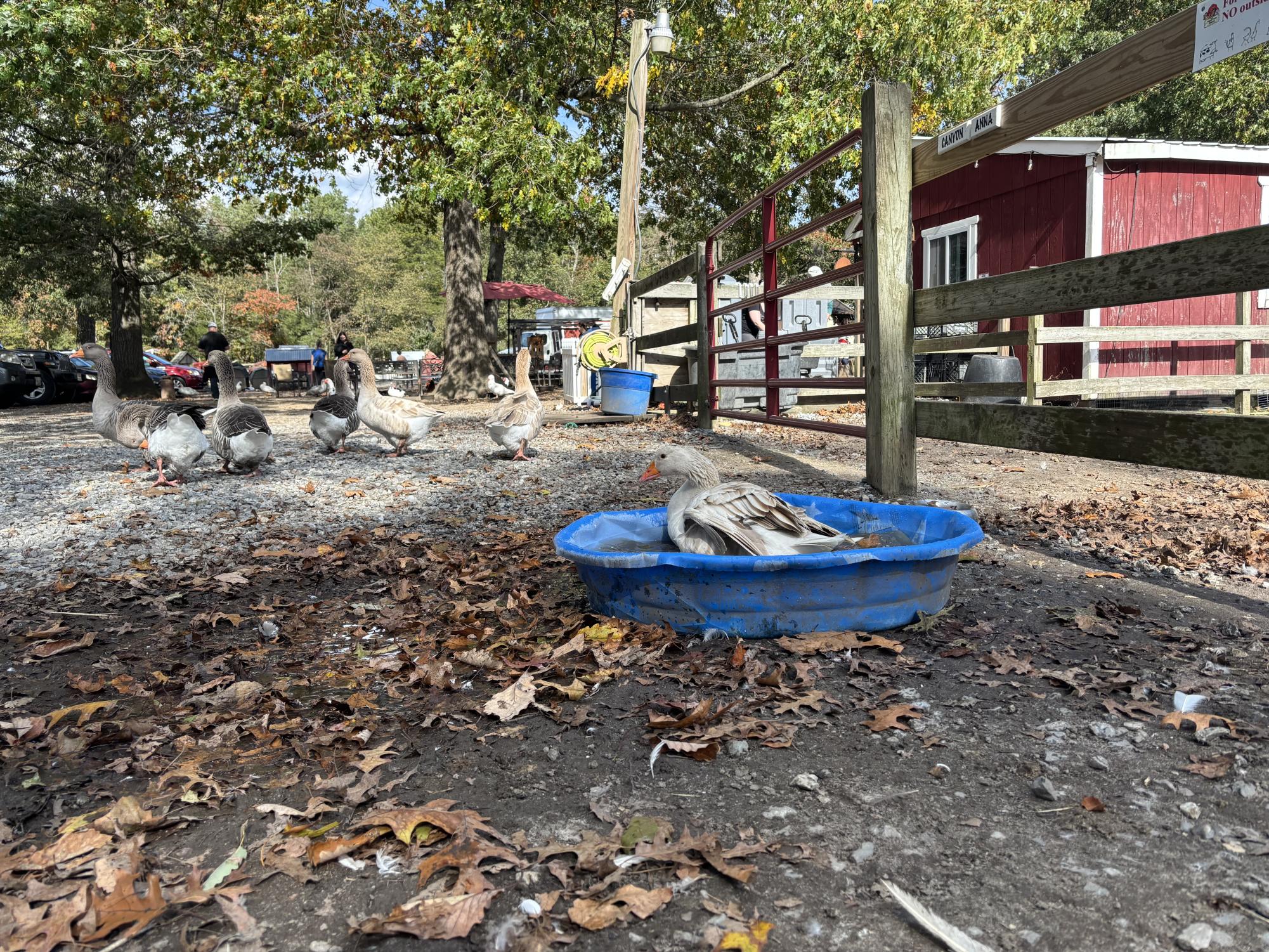
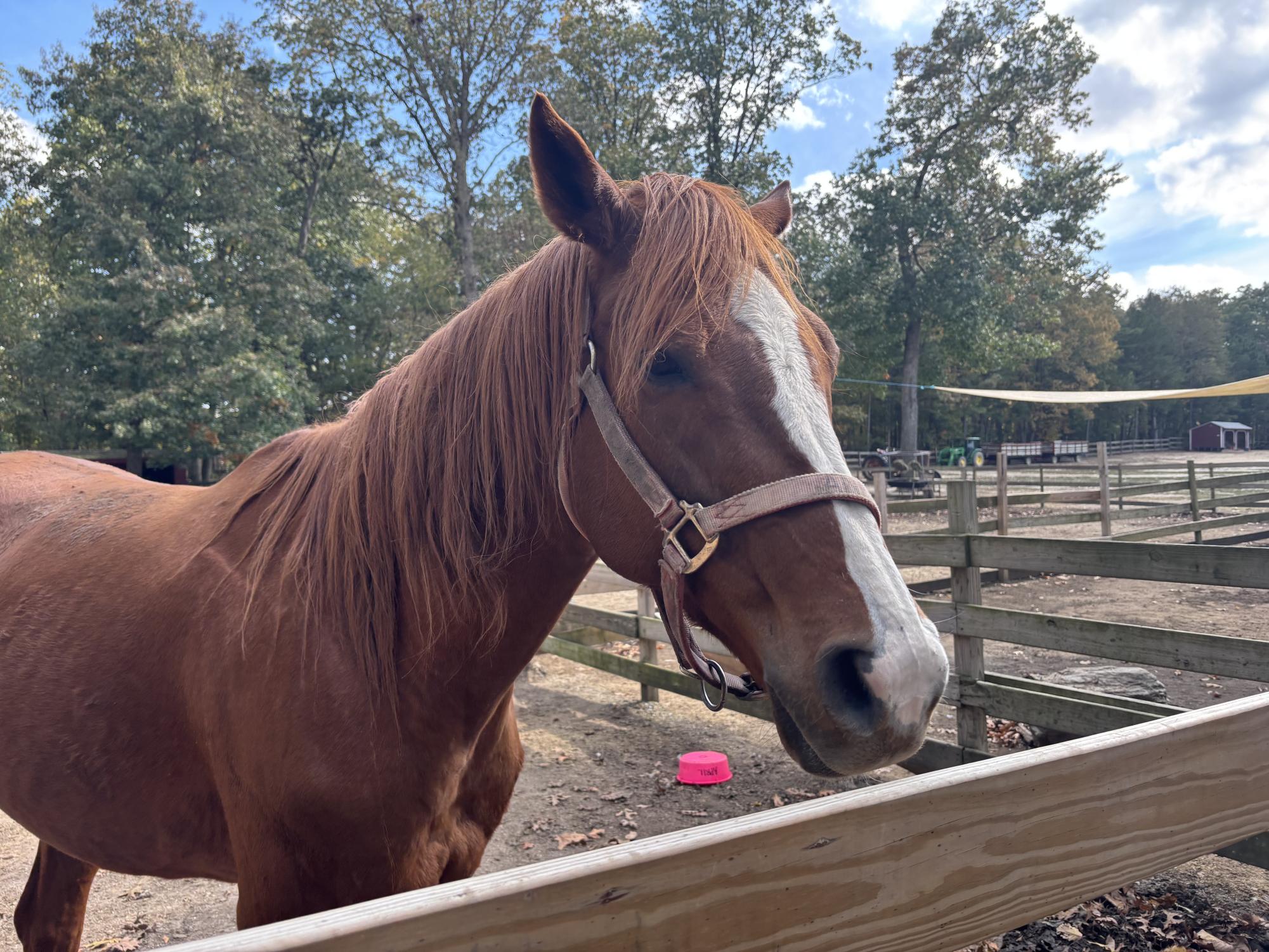
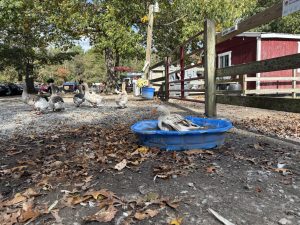
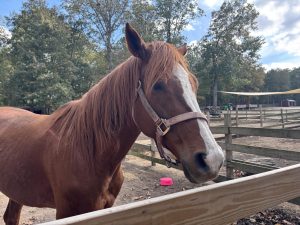
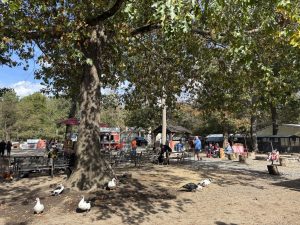
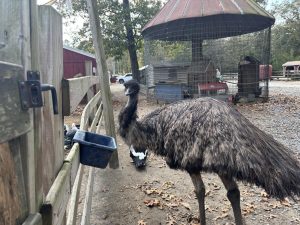
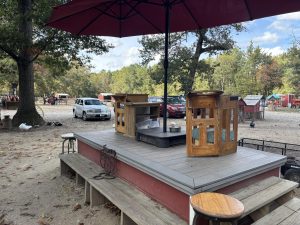
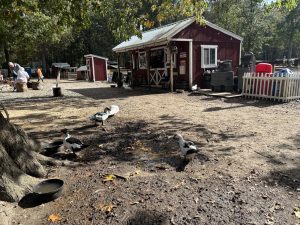
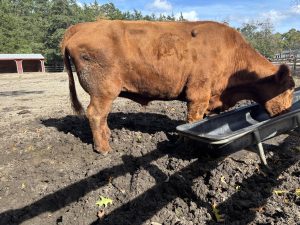
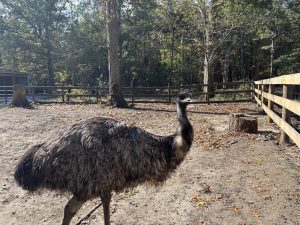
The TV appearance was the culmination of years of dedication, hard work, and a dream Zaleski had for her mother.
Zaleski and her mother escaped from her father to a little shack in the woods. She had no running water and no electricity in the beginning. Zalesk’s mom began to work at a shelter and eventually started to bring home every animal that was going to be euthanized. She called it “The Funny Farm.”
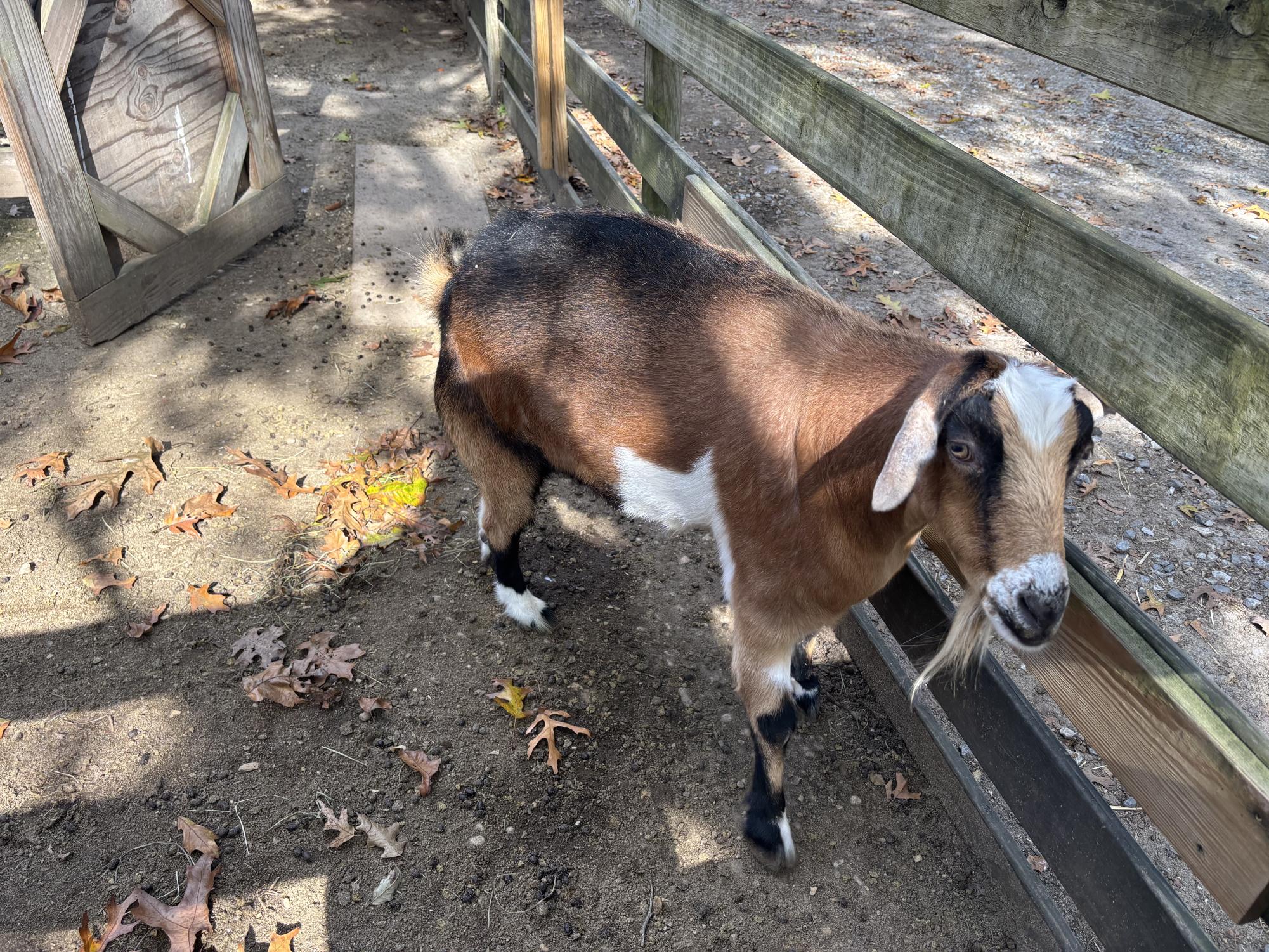
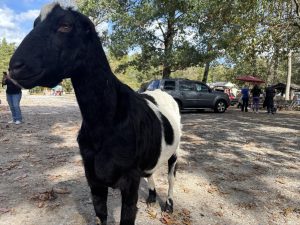
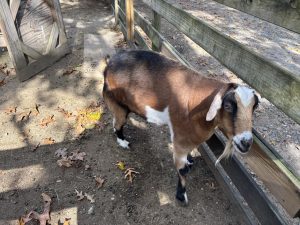
Tyrone and Chanel are two of the many goats that Zaleski has on the farm. Before they got to the farm, they were both going to be slaughtered in Philadelphia.
Somebody called Zaleski, and later that day, she showed up with her horse trailer at a set of row houses. The location made her skeptical at first.
“‘We have to have the wrong address,'” she said to herself at the time.
Then sat the two goats on someone’s porch, a mom and her baby, the mom starving to death, and couldn’t make any milk because she couldn’t get any nutrients.
They got in the trailer, and started eating and drinking, and both Tyrone and Chanel are still here today.
“‘As bad as we have it, somebody always has it worse, and we need to help them,’” her mom would tell Zaleski.
Zaleski graduated from Rowan University, where she studied digital media and photography, and started her career as an illustrator for Campbell Soup. She founded Art-Z Graphics, which is a full-service photography, graphic design, and multimedia service.
Zaleski eventually purchased a new home for her mother. But just two weeks before closing on the house, her mom passed away.
It was just Zaleski, a handful of rescued animals, and the belief that they all deserve a second chance. Zaleski started to question herself about how she was going to pay the heavy monthly bills that ran up to $4,000.
‘“I can’t do all of this,”’ she thought.
Eventually, Funny Farm became a non-profit, but it took years for people to visit. Eventually, though, the word got out, and things started to change.
“It’s a healing place, people come to forget their troubles,” said Zaleski. “No one here is sitting and texting because there’s so much to do, and if you’re not watching, you’re going to have an animal come up and rub their heads on you.”
Zaleski wrote a book about her experience – “Funny Farm, My Unexpected Life with 600 Rescue Animals” – that’s when the farm really blew up in popularity. And it started to become a real destination for people all over the world to visit.
It has been been voted one of the top 10 places to visit in all of New Jersey
Zaleski recalls the story of one visitor who offered to take her 70-year-old mother anywhere in the world for her birthday. She responded by saying the Funny Farm.
“They came here and volunteered all week, and that was her dream,” said Zaleski. “She said, ‘I could die happy now.’”
On top of that, every single Sunday, no matter rain or snow, Zaleski will host a Facebook live to over 93,000 followers.
As she continues to grow her platform over the years, Zaleski has not only gained popularity for her animals, but also uses it to raise awareness about a serious disability in dogs.
The disability called megaesophagus is when the esophagus is enlarged. Usually, when a dog eats something, it’s supposed to squeeze together and push the food down to the stomach. However, when the esophagus is so wide, and when it squeezes, nothing happens. And the food will sit there, in their chest, and eventually, it just comes right back out.
Vets told Zaleski countless times that because of this disability, the dogs who have it won’t live very long.
“‘Well, I’m gonna try, as long as they’re not suffering,’” she would tell the Vets.
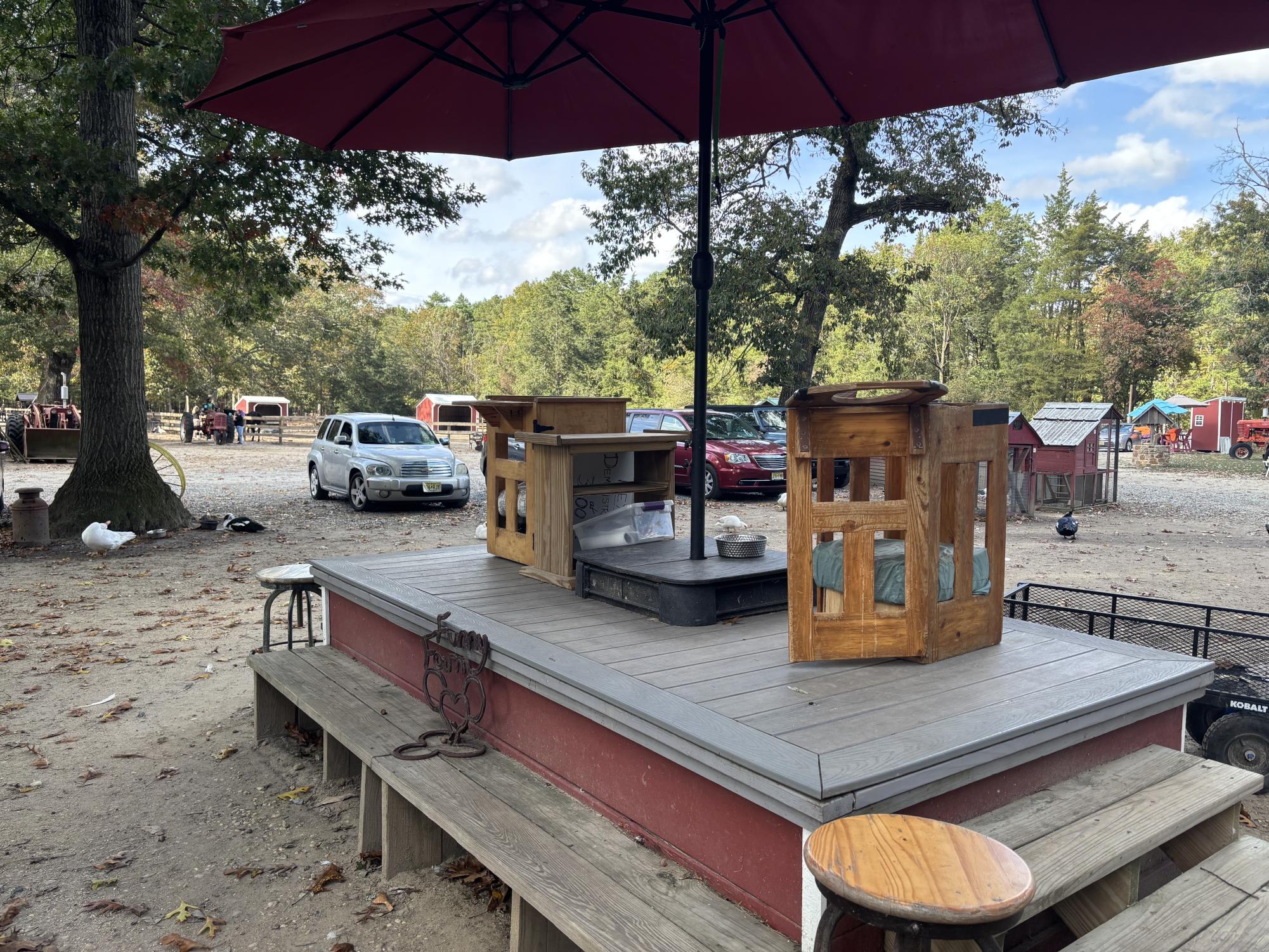
Instead of feeding them while they’re on all four paws, she has a chair called “Bailey Chairs” that the dogs can sit in. She’ll pour liquid food into the bowl so that way, the food can go down. And after a few years of the dogs living and thriving, the vets told her to keep doing her thing.
A prime example of this was Chucky, a German Shepherd, also known as the “Miracle Dog”, who lived five years beyond his diagnosis.
The vets at the University of Penn couldn’t believe how Zaleski was managing this, and just as the same as the other vets, they too told her to keep doing her thing.
“They see what they see on paper or on their X-rays,” said Zaleski. “But it’s not hands-on like we do.”