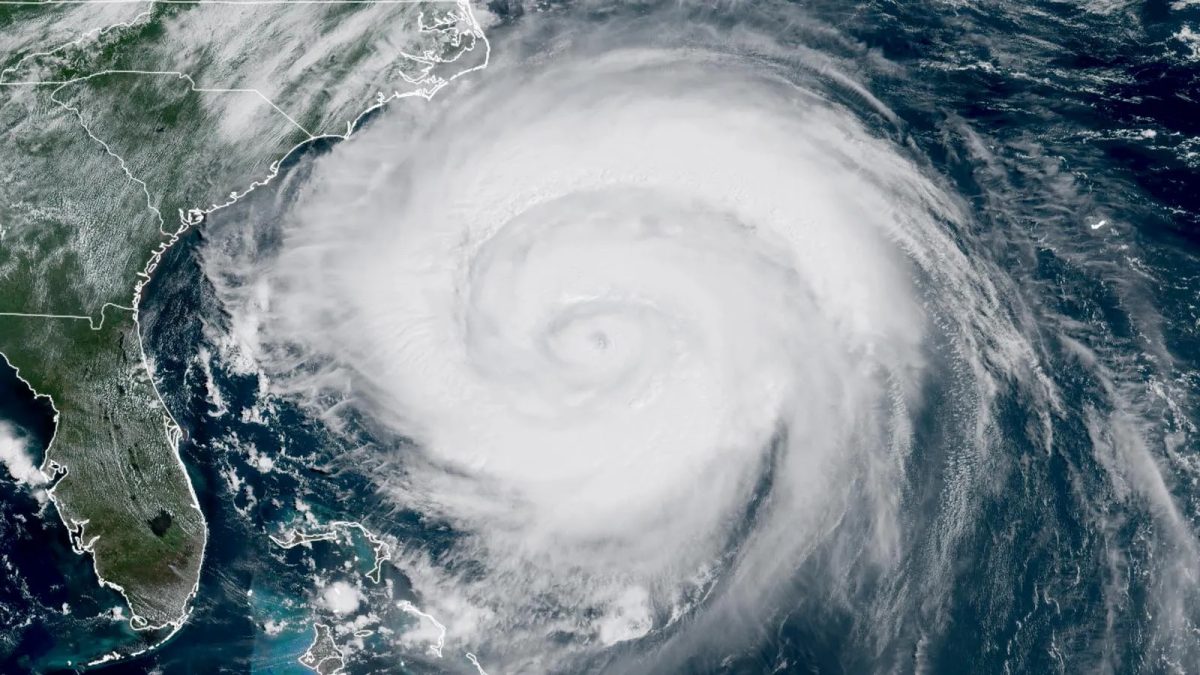
In 2025, the Atlantic ocean experienced an active hurricane season with three Category 5 storms.
This year, forecasters are predicting a “below-normal” season for the Atlantic. The main reason is an El Niño weather pattern that creates winds that tend to suppress tropical storms in the Atlantic.
“Most of the hurricane forecasts and predictions I’ve seen for the season are predicting a little bit less activity, and it’s mainly because of the El Niño event,” said Dr. Andra Garner, an associate professor in Rowan University’s Department of Environmental Science. “So right now the thinking is potentially a little bit less active compared to our recent seasons.”
Forecasters say that 2026 has the potential for the strongest El Niño event in 140 years, but that doesn’t mean New Jersey won’t see any hurricane activity.
NOAA’s National Weather Service is still predicting one to three major hurricanes with winds of 111 mph or more.
Last year while no hurricanes delivered a direct hit to New Jersey, Hurricane Erin still brought high surf, coastal flooding, beach erosion and Cape May Harbor reached the fourth highest level in the last two decades.
“It’s kind of always important to remember that whether we’re talking about a really active hurricane season or one that might end up looking a little less active than average, it’s not likely that we’re going to have something where we have no hurricanes,” said Garner. “Once those storms form, then we want to keep an eye on their tracks to see if they become a threat to New Jersey.”
The Atlantic hurricane season runs from June 1 to November 30, with most of the activity occurring from mid-August to early early October.