
After a 40 year pause, New Jersey is once again turning to nuclear power as a possible solution for its energy challenges.
In early April, Governor Mikie Sherril signed a bill to end the “de facto moratorium” on new nuclear power plants, removing restrictions that previously blocked new nuclear construction to allow for modern reactors to be developed in the state.
“For costs to come down, we need more energy supply,” said Governor Sherrill. “New Jersey is well-positioned to be a leader in next-generation nuclear energy to help bring that supply, and we are open for business.”
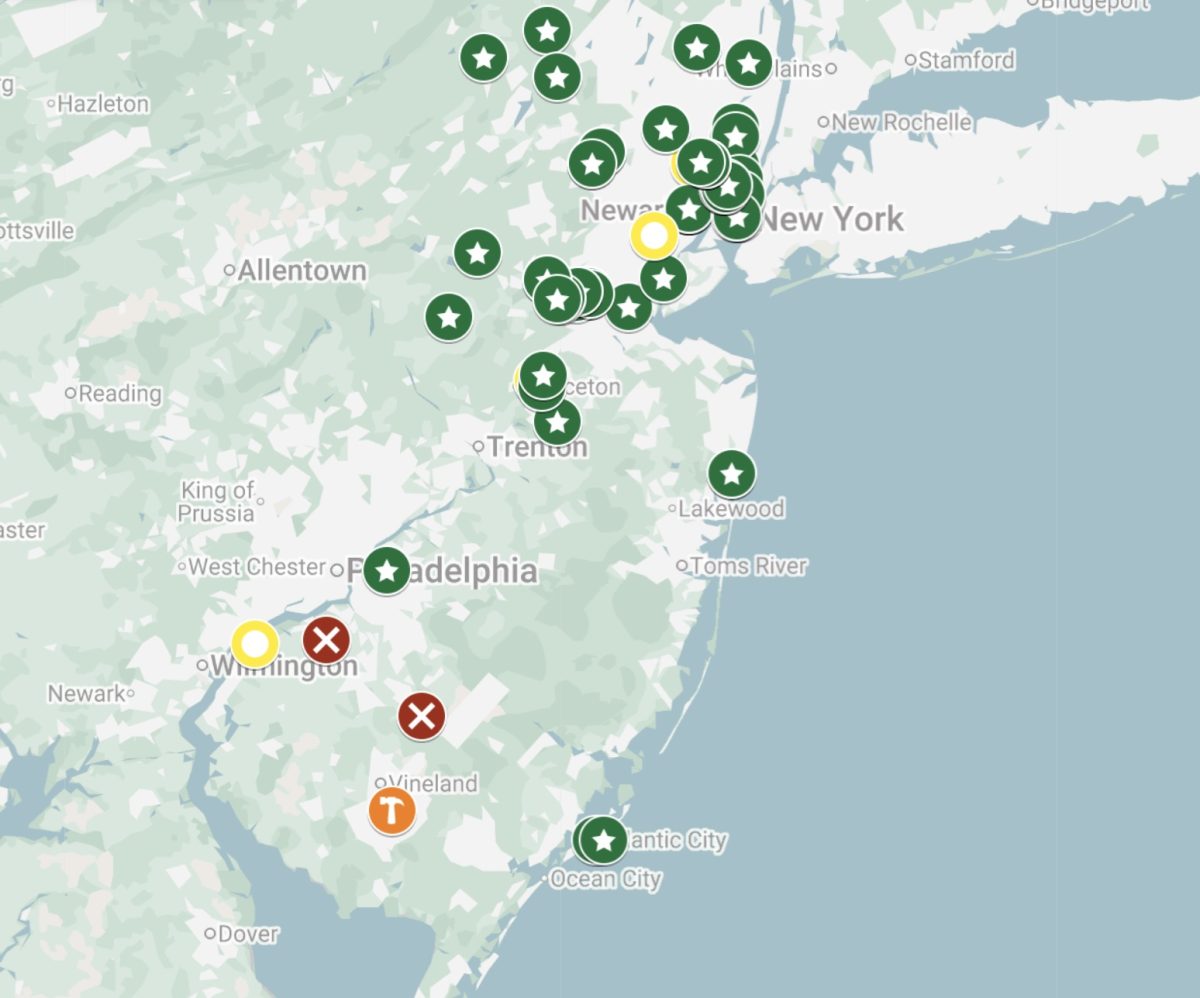
Part of the newly elected governor’s plan is to expand the existing Salem and Hope Creek nuclear sites along the Delaware River, possibly adding new, small modular reactors (SMRs) designed to be safer, cleaner, and more efficient than older models.
“By lifting outdated barriers and bringing together leaders across government, industry, and labor, we’re setting the stage for our state to pursue new advanced nuclear power,” Governor Sherrill said.
The need for more power
Over the past decade, New Jersey’s energy demand has increased, and existing power infrastructure is struggling to keep pace.
Aging infrastructure and dependence on imported natural gas are contributing to this struggle. Much of the state’s electricity still comes from gas-fired plants and power imported from neighboring states.
The combined shutdown of long-running power plants and the planned expansion of data centers has increased pressure on the grid.
Meanwhile, offshore wind projects, which were intended to fill the energy gaps left by the shuttered power plants, have been all but eliminated. Solar power, though expanding, can’t fully meet overnight or wintertime demand.
Many analysts say this combination has left the state short on reliable power and too reliant on out‑of‑state energy purchases. This leaves New Jersey vulnerable to national price swings and supply struggles.
Residents have been watching their utility bills steadily increase for years now, and, according to state data, New Jersey households now pay some of the highest energy costs in the Mid‑Atlantic region.
Now, many see nuclear power as a solution that could stabilize the grid while at the same time reducing the state’s dependence on fossil fuels.
Debating the new nuclear
One voice who sees nuclear as a clear answer is Mark Magyar, director of Rowan University’s Steve Sweeney Center for Public Policy.
“New Jersey already gets about 40% of its energy from nuclear,” said Magyar. “An expansion to the current plants would be great for us.”
Nuclear power, he argues, is often overlooked when discussing clean energy options.
Unlike fossil fuel plants, nuclear reactors emit no greenhouse gases during operation. Each reactor offsets millions of tons of carbon emissions every year, a crucial benefit as the state moves toward its target of 100% clean energy by 2035.
Besides emissions, nuclear energy requires far less land than solar or wind installations to generate the same output.
A single modern reactor can supply enough electricity for hundreds of thousands of homes, operating year‑round regardless of the weather. These newer reactors are also much safer than older reactors, and have smaller reactors and passive safety systems that do not require human intervention to prevent accidents.
“It is one of the larger solutions we have available to us,” said Magyar. “At this rate, I see an expansion as inevitable.”
Still, nuclear energy raises serious questions.
Because of environmental concerns, New Jersey blocked the construction of nuclear plants in its Coastal Area Facility Review Act, signed in 1973.
Opponents of nuclear energy worry about the potential risks to the ecosystem, especially given South Jersey’s delicate marshlands along the Delaware Bay.
“Nuclear power raises very serious and significant issues for the environment,” Maya Van Rossum from the Delaware Riverkeeper Network.“If a reactor is built around here, it could be overwhelmed by floods and river water.”
The U.S. also lacks a permanent storage site for radioactive waste. Waste is currently stored on-site at more than 70 nuclear facilities across the country.
“Companies don’t know what to do about radioactive waste,” Van Rossum said. “They had a plan to ship it all to New Mexico and bury it because they didn’t have a solution for it.”
Proponents say modern nuclear designs have made progress in minimizing and safely containing spent fuel. They point to Salem and Hope Creek plants, where waste is placed in water pools to cool for at least five years then stored on site in secure containers, as proof that they can operate safely with strict oversight.
Still nuclear energy requires significant long-term planning and investment before it will impact a resident’s monthly electric bill.
“It will take a while,” said Magyar. “We will probably see a much bigger expansion during the next presidential administration. I think that nuclear power is very much in the cards for the future.”