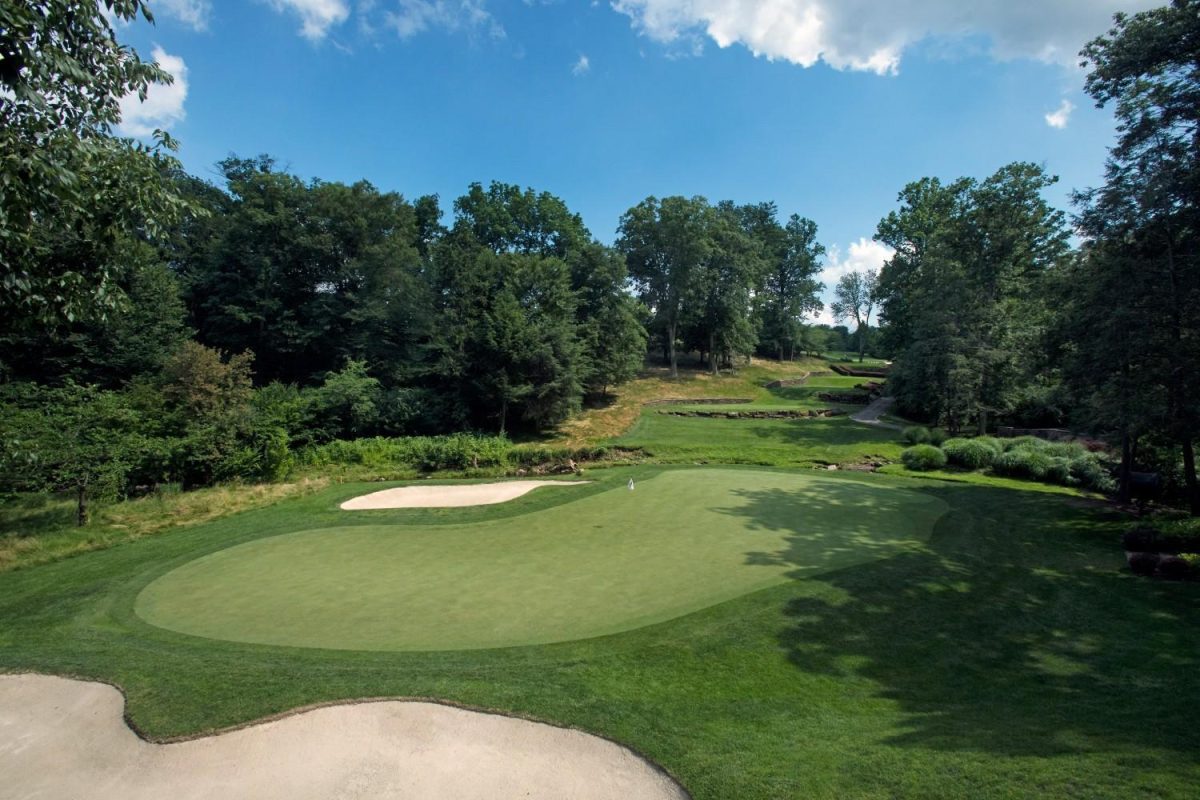
The recently opened Trout National golf course in Vineland, in Cumberland County, which is backed by Major League Baseball player Mike Trout and designed by Tiger Woods, aims to be one the most unique courses on the East Coast.
The private golf club features an 18-hole, 72-par championship course, a fully lit, par three course called “The Bull Pen,” and a host of luxury amenities, such as wine cellar, spa and even a bowling alley.
Membership is by invitation only, limited to 227 people and the fee to join is a rumored $500,000.
“The goal was to create a private oasis that feels relaxed and modern while still offering a world-class, major championship level test of golf,” said Tyler Trout, brother of Mike Trout, to Golf Architecture Magazine.
Any project of this scale — Trout National spans 280 acres and has been called the “largest development in South Jersey history since Atlantic City” — inevitably raises some environmental questions.
What is the impact? Are there ways to make it more sustainable? And who ultimately benefits from a golf course?
The environmental pros and cons of golf courses
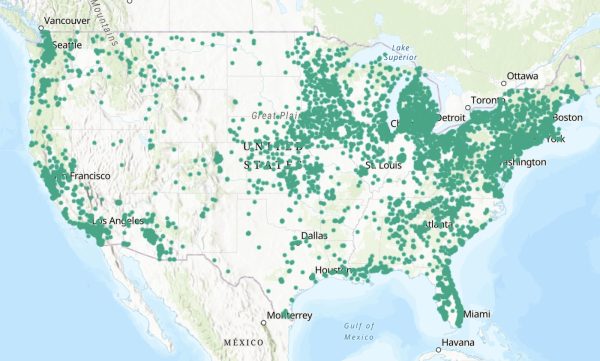
There are more than 3,500 square miles of golf courses in the United States — roughly the size of Delaware and Rhode Island combined.
They can be picturesque and provide an enjoyable way to spend time outdoors.
Golf courses certainly provide more for a landscape than strip malls, warehouses, parking lots or data centers.
Well-designed courses can host a range of trees, shrubs, plant life, and natural grass. They can provide habitat for wildlife, birds, insects and even fish.
Golf courses also enhance the surrounding micro-climate, cool the summer heat and capture and clean stormwater. According to a research paper published in Ecological Engineering, “When best design and management practices are followed, golf courses can improve the quality of water passing through the course.”
Still, there is nothing particularly “natural” about them.
Fairways and greens require lots of water — an estimated two billion gallons a day in the U.S.
Construction can often wipe out natural areas. Maintaining them requires fertilizer, pesticides and polluting gas powered mowers.
Overall, golf courses use a lot of natural resources for a relatively small and affluent, but growing population that gets to enjoy them.
It is estimated that about eight percent of Americans played a round of golf in 2025, according to the National Golf Foundation.
Building better golf courses
There is a growing movement to highlight more sustainable golf designs, practices and initiatives around the world.
One of the most impactful programs in the Garden State is the New Jersey River-Friendly Golf Course Program.
This state-wide certification program teams up with watershed and water-supply groups that work directly to improve land stewardship through water management, conservation, and habitat enhancement, as well as educating about sustainability.
Kathy Hale, a coordinator for the program, describes the certification process as rigorous.
“The golf course program has around 20 or so standards that we ask the facilities to meet, and they’re in a series of categories: landscape management, stormwater runoff management, water usage, stream and water body assessment, employee and community education, and then site-specific actions,” said Hale.
The program also aims to prevent water consumption and runoff that can cause harmful effects on plants, aquatic life and even drinking water.
“We hope that we can help them reduce their chemical use, reduce their fertilizer use, their pesticide use, their herbicide use, which will benefit water quality,” said Hale. “Hopefully we help them reduce their water usage, which can, in some cases, reduce their costs.”
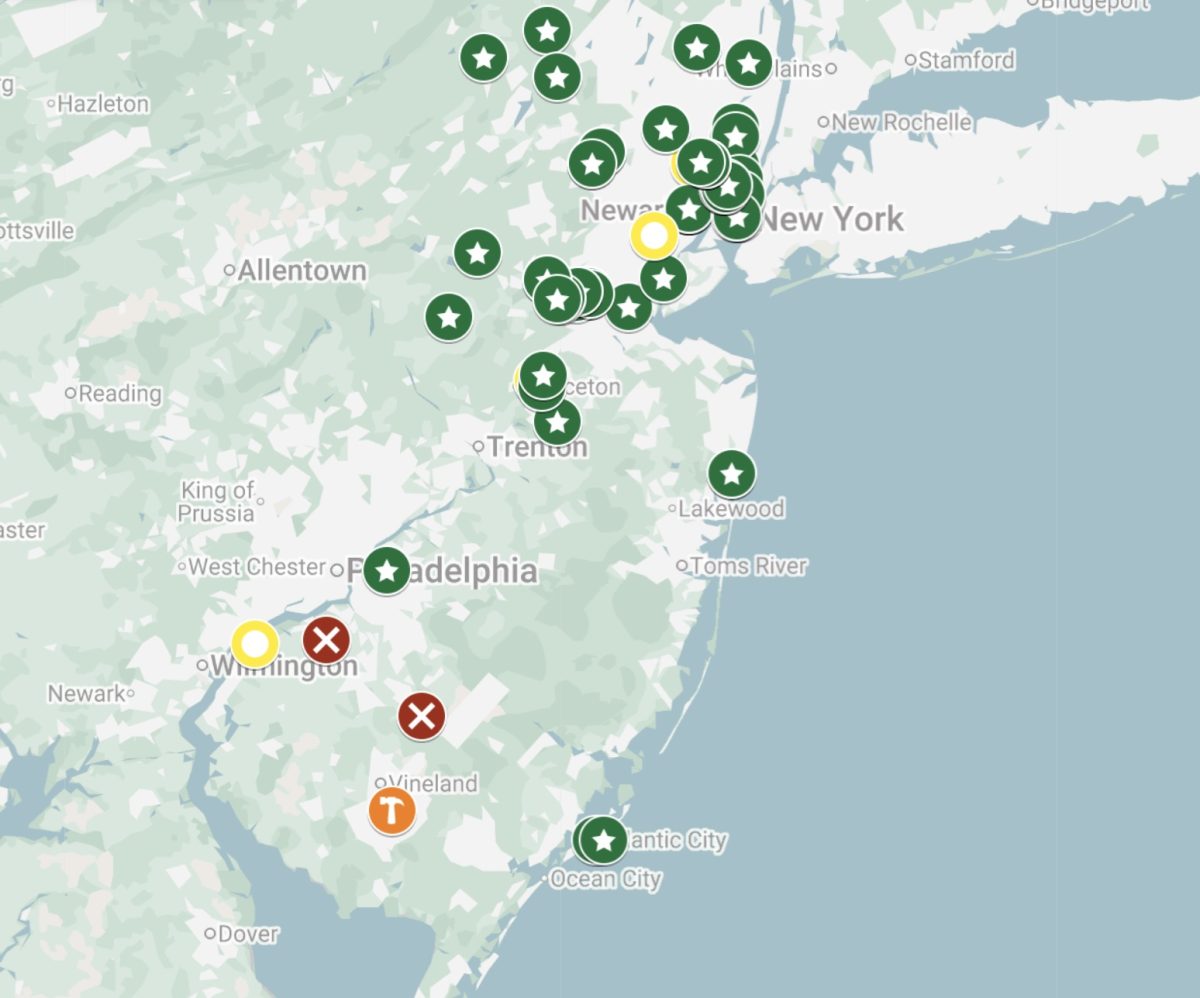
There are currently seven certified courses listed on the N.J. River Friendly website, including:
- Green Knoll Golf Course in Bridgewater
- Heron Glen Golf Course in Ringoes
- Neshanic Valley Golf Course in Neshanic Station
- Quail Brook Golf Course in Somerset
- Spooky Brook Golf Course in Somerset
- TPC Jasna Polana in Princeton
- Warrenbrook Golf Course in Warren
There are also a number of local environmental training courses for golf management staff who want to implement sustainable practices.
The Rutgers University School of Golf Turf Management offers methods that all superintendents can incorporate for more environmentally-friendly approach to maintaining all 18 holes.
The Audubon Cooperative Sanctuary Program (ACSP) for Golf Courses specialize in topics like environmental planning, wildlife and habitat management, water conservation, and outreach and education.
Educating the golfing public about sustainability is also key, which can shift expectations of what a golf course should look like.
“If everyone agrees that the course doesn’t have to be emerald green every day, the superintendent is going to have a much easier time of making a truly impactful difference in water usage,” Tim Connoly, director of golf course operations at Jasna Polana in Princeton, told Golf Course Magazine.
A uniquely South Jersey course
So what about Trout National?
Given the exclusive nature of the golf club (surrounded by concrete walls with no listed phone number), it is difficult to get a lot of information. The club’s minimalist website does not list any environmental certifications.
However, media reports have cited some uniquely sustainable approaches.
The course is built on a former silica sand mine and quarry and makes use of the existing landscape rather than radically altering it.
Trout National reportedly has a high-tech irrigation, reservoir and drainage system aimed at reducing flooding and conserving water.
And the restaurant will serve only fresh, “farm to table” food, much of it grown by local farmers. There are no freezers on site, except for ice cream.
Regardless of speculation, it is clear that Mike Trout, who grew up and and still owns a house in nearby Millville, has built something that will make people think differently about the natural beauty of South Jersey.
“You get a lot of `oh you’re from Jersey’… but it’s beautiful down here,” said Trout to Golf.com in February. “When I got drafted…I worked hard to put New Jersey on the map. It would be cool to have that. Hopefully it’s one of the top courses in the world.”